Apple
How the iPhone turned China from a late market into Apple's second engine
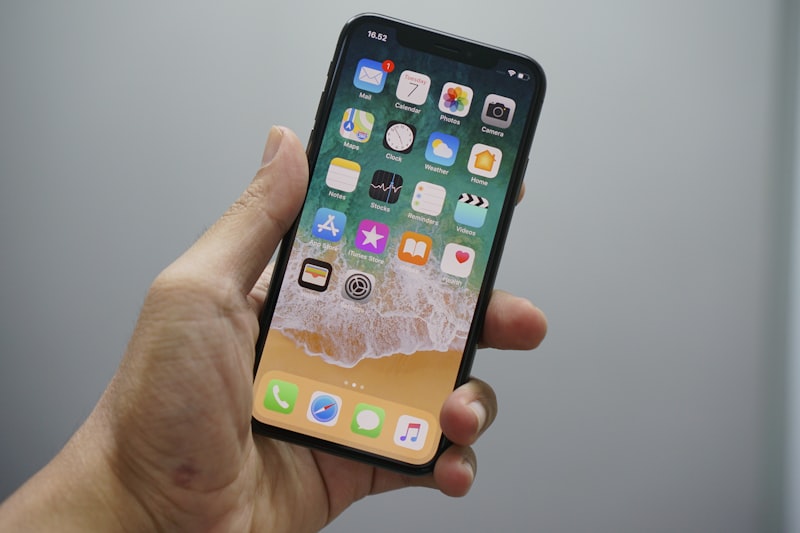
Apple was already famous globally, but the iPhone first grew outside mainland China while Nokia, Motorola and local channels dominated Chinese mobile phones.
China turned the iPhone into a mass premium status object and became both Apple's second major market and its production backbone.
Apple entered late, but China turned the iPhone into a national aspiration
Executive Summary
Apple's China story should not be understood by looking only at recent smartphone market-share charts. The important story is historical: how a foreign brand entered a market already dominated by Nokia, Motorola, Samsung, domestic feature-phone brands, carrier stores and grey-market traders, then turned one device into the most powerful premium consumer symbol of China's mobile internet era.
Before the iPhone officially reached mainland China, the Chinese mobile phone market had already gone through several waves. Motorola defined early mobile prestige in the 1990s and early 2000s. Nokia became the mass-market king of the 2000s through durability, battery life, Symbian smartphones and deep distribution. Samsung, Sony Ericsson, domestic brands and copycat "shanzhai" phones filled different price tiers. Chinese consumers were not waiting for Apple in an empty market. They were already buying hundreds of millions of phones, upgrading rapidly and learning mobile identity through brands.
Apple entered late. The first iPhone launched in the United States in 2007, but mainland China did not receive an official iPhone until 2009 through China Unicom. The early China version even had important limitations compared with global versions, and before official launch many Chinese users bought grey-market imported iPhones from Hong Kong, the United States or other regions. That grey-market demand was the first signal: Chinese consumers were willing to pay high premiums for a device not yet properly localized, not yet fully supported by carriers, and not yet easy to buy through official channels.
Once Apple solved distribution, China became explosive. The iPhone matched China's emerging urban middle class at exactly the right moment. Consumers wanted global brands, touchscreen internet devices, premium design, better cameras, reliable software, and visible objects that communicated modern identity. Apple's own retail stores turned the product into an experience. Carrier partnerships made the device easier to buy. The App Store matched China's mobile internet boom. Foxconn and the Chinese supply chain allowed Apple to manufacture at a scale and speed no other market could match. When the iPhone 4, iPhone 5 and especially the large-screen iPhone 6 cycle arrived, Apple moved from elite novelty to national premium aspiration.
The cultural intensity was extraordinary. In Chinese internet memory, the "sell a kidney to buy an iPhone" incident became a dark and extreme symbol of the period. It should not be treated as a joke or normalized. It was a harmful event. But as a cultural signal, it showed how deeply the iPhone had become tied to status, youth desire, foreign-brand worship and the idea that owning the device meant entering a higher social category. Few consumer products have ever generated that level of symbolic pressure.
By fiscal 2015, Apple's Greater China net sales reached about US$58.7 billion, nearly doubling from the prior year and far beyond what the company generated before China became fully activated. China did not merely add sales. It changed Apple's scale, manufacturing system, product strategy and global risk profile. The country became both the demand engine and the factory floor.
For foreign brands, Apple's China case offers a powerful lesson. China can turn a foreign product into a cultural object when the product arrives at the right social moment, solves a real upgrade need, carries global prestige, and is supported by channels and supply chain. But China also raises the standard: once domestic competitors learn, the foreign brand must defend its premium with ecosystem, trust, service, localization and continuous innovation.
1. Before Apple: China's Phone Market Was Already Huge
Motorola and the first era of mobile prestige
Before the iPhone, before Android, and before China's domestic smartphone giants, Motorola was one of the defining foreign phone brands in China. In the 1990s and early 2000s, a Motorola phone was a business symbol. The brand benefited from the era when mobile phones were expensive, scarce and strongly associated with entrepreneurs, officials, managers and people who needed to be reachable.
Motorola's early advantage was not only technology. It was status. Owning a mobile phone at that time was already a social signal. Motorola's flip phones, especially the StarTAC and later the RAZR design language, taught Chinese consumers that a phone could be more than a communication tool. It could be an accessory, a business card and a signal of taste.
This matters because Apple did not invent the idea of the phone as status object in China. Motorola helped create that behavior. Apple later perfected it by combining status with touch interaction, software ecosystem and global lifestyle.
Nokia and the mass-market trust era
If Motorola represented early mobile prestige, Nokia represented mass trust. In the 2000s, Nokia dominated China's phone market because it understood reliability, distribution and practical consumer needs. Nokia phones were durable, had strong battery life, offered clear menus, supported Chinese input, covered multiple price points and were available through vast retail networks.
Nokia's Symbian smartphones also gave Chinese users an early taste of mobile computing. Devices such as the N-series and E-series served music, camera, email and early internet needs before the iPhone changed expectations. For students, office workers and small business owners, Nokia was often the default safe choice. A Nokia phone meant it would work, survive drops, hold charge and be easy to repair.
This created a high bar for Apple. Chinese consumers already trusted Nokia. Apple had to convince them that a phone with a large touchscreen, shorter battery life, higher price and different software model was worth the leap.
The shanzhai and domestic feature-phone layer
At the same time, China's lower and mid-tier phone market was filled with local brands and shanzhai phones. These devices often copied designs, added loud speakers, dual SIM cards, TV antennas, exaggerated cameras or localized features, and sold through electronics markets at very low prices.
Shanzhai phones proved something important about Chinese demand: consumers wanted features, novelty and visible value, even when the product quality was inconsistent. They also showed how fast Chinese manufacturing and retail channels could respond to trends. A new design could appear in Shenzhen markets quickly and spread through distributors nationwide.
Apple entered a market where consumers were already used to rapid product cycles, imitation, feature comparison and price segmentation. The iPhone's premium difference had to be dramatic enough to escape direct price comparison.
China was already mobile-first before smartphones matured
China's internet development made the iPhone's timing powerful. Many consumers experienced the internet heavily through mobile devices rather than desktop-first habits. SMS, QQ, mobile music, mobile games, early WAP services and later WeChat created a society ready for pocket computing.
By the time the iPhone became widely available, China already had hundreds of millions of mobile users and a generation eager to upgrade from communication phones to internet devices. Apple did not create mobile demand from zero. It gave that demand a new form.
2. Apple's Position Before China Fully Opened
Apple was respected but not yet mass-market in China
Before the iPhone, Apple had a small but admired presence in China. Macs were known among designers, media workers, foreign-company employees, university students and creative professionals, but Apple was not a mass consumer electronics brand in the way Nokia was. The iPod had some visibility, but it never became the mainstream Chinese music device because local MP3 players, phones and piracy-era music habits shaped the market differently.
Apple's brand image before the iPhone was therefore high-end, foreign, creative and niche. It had prestige but limited household reach. The iPhone changed that. It turned Apple from a computer company admired by a small group into a lifestyle brand recognized across the country.
The iPhone launched globally before it launched officially in China
The first iPhone appeared in 2007, but mainland China had to wait. This gap created a strange and important early market: unofficial iPhones. Grey-market traders imported unlocked or modified units from Hong Kong, the United States and other regions. Consumers paid premiums, accepted inconvenience and used workarounds because the product felt new and desirable.
This grey-market period was the proof of demand. A normal foreign brand might see unofficial channels as a problem only. For Apple, the unofficial market revealed that Chinese consumers were already pulling the product into the country before the company had built the official route.
The early iPhone also arrived in a market not yet fully ready for Apple's model. Carrier data pricing, 3G coverage, official app payment behavior and consumer understanding of smartphones were still developing. Yet the product's desirability overcame many practical barriers.
The first official iPhone was not perfect
Apple's first official mainland China iPhone launched with China Unicom in 2009. The launch was historically important, but the product was not immediately ideal. The early official version lacked Wi-Fi due to regulatory complications at the time, while grey-market versions could offer features consumers wanted. Prices were high, subsidies were limited compared with some Western carrier models, and the Chinese app ecosystem was still early.
This meant Apple's official China launch was not an overnight mass explosion. It was the beginning of formalization. The brand had to move from grey-market desirability to official channel scale.
This is important for foreign brands. Entering China is often not one dramatic moment. It is a sequence: unofficial awareness, formal entry, channel correction, localized distribution, social adoption, then explosive scaling when infrastructure and consumer demand align.
3. The iPhone's Explosion in China
iPhone 4 and the design-status breakthrough
The iPhone 4 was one of the key devices in Apple's China rise. Its glass-and-metal design, Retina display, front camera and premium feel made it visually different from most phones Chinese consumers had used. It was instantly recognizable. That matters in a status market. A premium product must be visible enough for others to know what it is.
The iPhone 4 also arrived as Chinese social media and mobile internet habits were accelerating. People wanted better photos, smoother browsing, attractive apps and a device that felt international. The iPhone 4 delivered an emotional upgrade. It did not only perform tasks better. It made the owner feel modern.
Queues, shortages and resale premiums reinforced the aura. Scarcity is powerful in China when combined with public recognition. If people line up for a product, the product becomes news; if the product becomes news, more people want it.
The carrier channel made premium more accessible
Carrier partnerships mattered because the iPhone was expensive. China Unicom opened the first official route. Later, China Telecom and China Mobile expanded reach. China Mobile was especially important because of its enormous subscriber base. Once Apple had broader carrier support, the iPhone could reach far more consumers through installment plans, contract bundles, official stores and telecom retail.
The China Mobile partnership around the 4G era was a major unlock. China Mobile had hundreds of millions of users and the broadest national presence. For many consumers, especially outside the first-tier cities, carrier availability made the iPhone feel official and reachable.
This shows a broader China lesson: brand desire is not enough. Distribution must match the market's scale. Apple already had desire; carrier partnerships made it operational.
iPhone 6 and the large-screen breakthrough
The iPhone 6 cycle was the real mass premium explosion. Chinese consumers had shown strong preference for larger screens because phones were used heavily for messaging, video, browsing, games, shopping and social media. Before the iPhone 6, many domestic Android competitors offered larger displays, which created pressure on Apple.
When Apple launched larger-screen iPhones, especially the iPhone 6 Plus, the product matched Chinese use behavior more closely. It was still Apple, but now it had the screen size Chinese consumers wanted. The result was massive demand.
Fiscal 2015 captures this moment. Apple's Greater China revenue reached about US$58.7 billion, up dramatically from the year before. This was not only a product-cycle success. It was the moment when Apple, China carriers, larger screens, 4G rollout, middle-class upgrading and the App Store economy all converged.
Apple became a gift, a badge and a social signal
The iPhone quickly became one of China's most recognizable premium gifts. It worked for birthdays, romantic relationships, family milestones, business gifts and self-reward. Unlike many luxury goods, it was practical and visible every day. Unlike jewelry or watches, it was used constantly. Unlike a car, it was expensive but still reachable for many middle-class consumers.
The device became a badge. On a table, in a classroom, at a dinner, on a subway, in an office, the iPhone was visible. The Apple logo communicated something immediately: the owner could afford a global premium product.
In China, where "face" and social comparison often shape consumer behavior, this visibility mattered enormously. Apple did not need to explain its status every time. The product itself did the signaling.
4. The "Sell a Kidney for an iPhone" Meme and What It Revealed
A harmful event became a cultural symbol
The "sell a kidney to buy an iPhone" story became one of the darkest and most widely remembered Chinese internet events of the early iPhone era. A teenager was reported to have sold a kidney through illegal channels to buy Apple products. The event was harmful, extreme and should never be romanticized. It was a story about exploitation, youth pressure and dangerous consumer obsession.
But as a cultural symbol, it revealed how far the iPhone had moved beyond normal product desire. Most products do not become associated with bodily sacrifice in public discourse. The fact that this story became a meme showed that Chinese society recognized the intensity of Apple desire, especially among young consumers who saw the iPhone as a gateway into status, confidence and belonging.
The meme was often used sarcastically: "Do you need to sell a kidney to buy this?" It became shorthand for something painfully expensive but intensely desired. Apple did not create the meme, but the brand was central to why the meme was understandable.
Foreign premium goods and China's upgrade psychology
The event also reflected a broader Chinese consumer psychology of the era. Imported premium goods were not only goods; they represented a different world. An iPhone suggested global taste, wealth, modernity, English-language culture, design sophistication and access to a more advanced digital life.
For young consumers, especially students, the social pressure could be intense. A phone was not hidden. It was carried publicly, compared with classmates and used in every social interaction. Owning the best phone could feel like owning social dignity.
This is why the iPhone became a stronger symbol than many more expensive foreign products. A luxury handbag or watch might be out of reach and used only by adults. The iPhone was expensive but imaginable. That made desire more widespread.
The lesson for foreign brands
The lesson is not to create unhealthy obsession. The lesson is that in China, a foreign premium brand can become culturally powerful when it sits at the intersection of aspiration, visibility and utility. The iPhone was useful every hour, visible to peers, and globally prestigious. That combination created emotional intensity.
Foreign brands should treat this with responsibility. Strong desire must be supported by fair channels, transparent pricing, financing discipline, product access and after-sales service. A premium brand that creates aspiration without responsible access can generate backlash as well as sales.
5. Why Chinese Consumers Loved the iPhone
It looked and felt different
In the Nokia and Motorola era, phones were often judged by durability, signal, battery and keyboard. The iPhone changed the sensory standard. It was glass, touch, animation, pinch-to-zoom, app icons, smooth scrolling and a unified interface. The experience felt futuristic.
Chinese consumers are extremely responsive to visible product experience. A phone that can be demonstrated in ten seconds has an advantage. The iPhone's touch interface made the product self-selling. Someone could try it in a store or borrow a friend's phone and immediately understand the difference.
It made the internet feel personal
The iPhone arrived as China's mobile internet was moving toward apps, social networks, mobile shopping and video. It made the internet feel personal, portable and elegant. QQ, WeChat, Weibo, Taobao, mobile games, maps, photography and later short video all became better on smartphones.
The device was not just a phone. It was a gateway to a new digital life. Chinese consumers did not buy the iPhone only to call people. They bought it to participate in a faster, more visual, more connected society.
It carried global trust
Apple's brand promised quality and stability. In a market with many shanzhai devices, inconsistent Android skins, fake accessories and low-quality electronics, Apple felt safe. Consumers trusted the hardware, software updates, App Store review process, service network and resale value.
Trust mattered because the price was high. A consumer paying several months of salary needed confidence. Apple's global reputation reduced the fear of making a bad purchase.
It offered ecosystem lock-in
Once consumers bought an iPhone, the ecosystem deepened loyalty. Contacts, photos, apps, iCloud, AirPods, Apple Watch, Mac and iPad created switching costs. App Store purchases, interface familiarity and social habits kept users inside the system.
In China, where many Android brands competed heavily on hardware specifications, Apple's ecosystem gave it a different kind of moat. The question was not only "Which phone has better specs?" It was "Do I want to leave the Apple world?"
It held resale value
Chinese consumers are practical. Premium desire does not eliminate price logic. iPhones became attractive partly because they held resale value better than most competitors. A consumer could buy an expensive iPhone, use it for one or two years, then sell it into the second-hand market.
This reduced the real cost of ownership. It also expanded Apple's reach because used iPhones brought the brand to consumers who could not afford the latest model. The second-hand market became a shadow distribution system that strengthened the installed base.
6. Apple's China Channels
Apple Stores made the brand physical
Apple's own retail stores were crucial. The first mainland Apple Store opened in Beijing's Sanlitun in 2008. Later stores in Shanghai, Beijing, Shenzhen, Guangzhou, Chengdu, Hangzhou and other cities became premium urban landmarks.
These stores were not ordinary electronics shops. They were designed spaces where consumers could touch products, attend workshops, receive service and experience Apple's global retail language. For many Chinese consumers, visiting an Apple Store was itself part of the brand experience.
This mattered because China had many electronics markets where bargaining, fake goods and grey-market products were common. Apple Stores created a clean, official, trustworthy alternative.
Tmall, JD and official e-commerce
China's e-commerce environment is too important for any consumer brand to ignore. Apple used official online stores and authorized platform channels to meet consumers where they already shopped. Tmall and JD offered authenticity, logistics and participation in major shopping festivals.
Apple's online strategy had to balance volume and premium control. Heavy discounting could damage brand value, but selective promotions during 618 or Singles' Day could drive sales without making Apple look cheap. This balance is difficult and important for any premium brand in China.
Authorized resellers extended reach
Apple could not rely only on its own stores. Authorized resellers, electronics chains, carrier outlets and regional retailers extended distribution into more cities. In a country as large as China, official retail must be layered.
The challenge was channel discipline. Too many uncontrolled sellers create price inconsistency and authenticity risk. Apple had to build enough official reach to reduce grey-market dependence while maintaining premium presentation.
The grey market never fully disappeared
Grey-market iPhones were part of China's Apple story from the beginning. Before official launch, they created awareness. After official launch, they continued to serve price-sensitive consumers, early adopters seeking overseas versions, and buyers in areas without official access.
The grey market was a problem because it reduced channel control, but it also showed demand. A product with no desire does not create a grey market. Apple's task was not to pretend the grey market did not exist. It was to make official channels more attractive through warranty, service, authenticity and localized availability.
7. The Supply Chain: China as Apple's Production Backbone
Foxconn and Zhengzhou changed Apple's scale
Apple's China story is impossible to separate from manufacturing. Foxconn's Zhengzhou campus, often called "iPhone City," became one of the most important industrial sites in the world. At peak production, it could employ enormous numbers of workers and assemble iPhones at a scale few countries could match.
This was not just cheap labor. By the iPhone era, China's advantage was ecosystem density: suppliers, tooling, process engineers, logistics, components, trained workers, local government coordination and export infrastructure. Apple could ramp new models quickly because China could coordinate complexity.
China made Apple's global promise deliverable
Apple's brand promise depends on launching tens of millions of high-quality devices globally with consistent fit, finish and performance. That requires manufacturing discipline. China's supply chain made this possible.
The same country that bought the iPhone also built it. This created a unique relationship. China was not only a consumer market; it was the physical system that allowed Apple to serve all markets.
The supply chain deepened mutual dependence
Apple depended on China for manufacturing scale. China depended on Apple for jobs, exports, supplier upgrading and industrial prestige. Chinese suppliers learned from Apple's quality demands and became more capable. Companies such as Luxshare, GoerTek and many component makers benefited from Apple's ecosystem.
This mutual dependence made Apple's China position stronger but also more complex. A brand deeply tied to China gains scale, but it also faces geopolitical exposure, labor risk, regulatory pressure and public scrutiny.
Manufacturing also supported brand legitimacy
Chinese consumers knew the iPhone was made in China, but that did not reduce its foreign prestige. In fact, the combination was interesting: designed by Apple in California, assembled in China. Consumers could see China participating in a global premium product.
This helped Apple avoid being only an imported luxury object. It was foreign in brand identity but deeply connected to Chinese industrial capability. That dual identity made the iPhone more embedded in China than many foreign products.
8. The Competitive Shift: From Nokia to Huawei
Nokia lost because the basis of competition changed
Nokia did not lose China because Chinese consumers stopped trusting it overnight. It lost because the phone category changed. Durability, battery life and hardware reliability were no longer enough. Apps, touch interface, developer ecosystem, camera experience and mobile internet became the new basis of competition.
Apple won because it defined the new basis. Android then expanded it across the mass market. Nokia was trapped between old strengths and new expectations.
This is a major lesson for brands entering China: the leading incumbent can be beaten when the category's rules change. Apple did not win by making a better Nokia. It won by making Nokia's strengths less central.
Domestic Android brands learned quickly
Chinese brands learned the smartphone game fast. Xiaomi changed online phone marketing. OPPO and vivo built massive offline retail systems. Huawei moved upmarket through chips, cameras, business trust and national pride. Honor, OnePlus and others attacked different segments.
Apple benefited at first because domestic brands were still catching up. Over time, they improved hardware, cameras, batteries, charging, screens and software. The gap narrowed. China stopped being only a market for foreign premium brands and became a producer of global competitors.
Huawei attacked Apple's premium identity
Huawei is the most important domestic challenger because it attacks Apple at the top. Huawei's Mate and P series, later foldables and premium devices, targeted business users, national pride, camera leadership and high-end Android consumers. Huawei also carried a domestic champion narrative that Apple could not copy.
This changed Apple's China challenge. It was no longer fighting only cheaper phones. It was fighting another premium identity: global Apple versus national Huawei. That competition is deeper than specifications.
Apple's moat remained ecosystem and trust
Even as domestic competitors improved, Apple retained strengths: iOS stability, ecosystem lock-in, App Store, privacy image, resale value, retail service and global brand. These are not easily copied by hardware competitors.
Apple's long-term China defense depends on these moats. Hardware leadership may fluctuate. Cultural status may face nationalist competition. Ecosystem trust and user habit are more durable.
9. Entry Before and After China: The Data Logic
Before China activation
Before the iPhone's official China channel matured, Apple was a respected global brand but not yet a mass Chinese consumer company. Its China sales were limited by official distribution, carrier support, retail footprint and consumer readiness. Nokia and Motorola still defined much of China's mobile phone memory.
The grey-market iPhone proved desire, but desire had not yet become official scale. This is the "before China" stage: strong brand aura, weak formal distribution, high early adopter interest, limited mass penetration.
After official channels and 4G
After official carrier channels expanded, Apple Stores opened, e-commerce matured, 3G and 4G networks improved, and larger-screen models arrived, China became a revenue engine. By fiscal 2015, Greater China revenue reached about US$58.7 billion. That figure shows how quickly the market scaled once the product and infrastructure aligned.
This is the "after China" stage: mass premium demand, channel scale, supply-chain integration, national status symbol and enormous revenue contribution.
China changed Apple's global structure
China did not only increase Apple's sales. It changed the company's structure in three ways. First, China became one of Apple's most important regional revenue segments. Second, China's supply chain became the backbone of global iPhone production. Third, Chinese consumer preferences, especially larger screens and premium colorways, influenced product planning and launch strategy.
For a foreign brand, this is the highest level of China impact. The market stops being a destination and becomes part of the company's operating system.
10. What Other Foreign Brands Can Learn
Entering late is not fatal if the category is changing
Apple did not enter an empty market. It entered after Motorola and Nokia had built deep consumer memory. But the smartphone transition changed the rules. Apple used that transition to leapfrog incumbents.
Foreign brands should look for moments when Chinese consumer behavior is shifting: from offline to online, from commodity to premium, from function to experience, from domestic trust gaps to imported trust, or from old channels to new platforms. These shifts create openings even in crowded markets.
Premium must be visible
The iPhone was premium and visibly premium. People could recognize it. The design, logo, interface and packaging all communicated value. In China, where products often serve social signaling functions, invisible premium is harder to monetize.
Foreign brands should ask whether their premium is legible. Can a consumer explain why it is better? Can others recognize it? Does the product carry status in public or social media? Apple answered yes.
Channels turn desire into scale
Grey-market demand proved desire, but official carrier channels, Apple Stores, Tmall, JD and resellers turned desire into scale. Many foreign brands create awareness but fail distribution. China is too large for narrow availability.
A brand needs layered channels: flagship experience for trust, e-commerce for reach, offline partners for national presence, and service for retention.
Supply chain can become strategic advantage
Apple's China manufacturing base allowed it to deliver global scale. Foreign brands often think of China only as a sales market, but China can also be sourcing, production, engineering, logistics and product feedback center. The deepest China strategies connect demand and supply.
Cultural intensity cuts both ways
The "sell a kidney" meme shows the extreme side of aspiration. A brand that becomes a status symbol can generate enormous demand, but also social pressure and criticism. Premium brands must manage desire responsibly. Long-term trust matters more than short-term hype.
11. Strategic Risks and Long-Term Limits
Domestic competitors eventually learn
Apple's early China success came partly from local competitors not yet matching its product experience. That window closed. Chinese companies now build world-class phones, apps, batteries, cameras, charging systems and ecosystems. Any foreign brand entering China should assume domestic competitors will learn quickly.
National pride can reshape premium logic
Foreign origin was once a pure advantage in many premium categories. It still matters, but national pride has grown. Huawei's rise shows that domestic brands can become aspirational too. Foreign brands can no longer assume that "foreign" automatically means better.
Apple's response cannot be to become Chinese in a shallow way. Its strength remains global design, privacy, ecosystem and quality. But it must respect Chinese culture, channels and consumer expectations.
Manufacturing dependence creates exposure
China's supply chain made Apple strong, but dependence creates risk. Labor disruptions, geopolitical tension, tariffs, export controls and public opinion can affect operations. Apple has diversified some manufacturing, but China's ecosystem remains hard to replace.
The lesson is balance. China can be the world's best scale platform, but a global brand needs resilience.
12. Timeline: How the China Breakout Actually Happened
Stage 1: foreign prestige before mass availability
Apple's China story began before the official iPhone launch. In the mid-2000s, the Apple brand was already known among urban Chinese consumers who followed global technology, design and creative culture. But it was not yet a mass-market phone brand. Nokia was the everyday default. Motorola still carried memory of business prestige. Samsung was strong in electronics retail. Domestic and shanzhai phones filled price-sensitive demand.
In this stage, Apple's advantage was aura rather than access. The brand looked international, creative and expensive. That aura mattered because China's urban consumers were becoming more globally curious. Students watched foreign movies, used QQ and early social platforms, bought MP3 players, visited electronics markets and paid attention to overseas technology trends. Apple's first job was not to explain what a phone was. It was to make a phone feel like the future.
This stage is important because a premium foreign brand often begins with a small audience before it reaches mass scale. The first believers may be designers, students, overseas returnees, technology enthusiasts, business elites or people buying grey-market imports. They create the early social proof that later makes mainstream buyers feel safe.
Stage 2: grey-market proof of desire
Between the first iPhone launch in 2007 and the official mainland launch in 2009, grey-market iPhones became a major sign of demand. Chinese consumers were willing to buy versions not officially supported in mainland China. Some paid high prices, unlocked devices, tolerated network limitations and used informal repair or activation methods.
For Apple, this revealed something more valuable than a survey: actual willingness to pay. The Chinese market was not merely interested in the iPhone as news. It was already importing the product through unofficial channels.
Grey-market demand also created a cultural effect. The iPhone became something people had to "get" rather than simply buy. It came from Hong Kong, friends abroad, overseas shopping, electronics markets or premium resellers. That made ownership feel exclusive. Scarcity and inconvenience increased desirability rather than reducing it.
This is a useful lesson for foreign brands. Unofficial demand is not always ideal, but it can prove market pull. If Chinese consumers are finding ways to buy a product before official distribution exists, the brand has evidence that desire is real.
Stage 3: official launch and channel correction
The 2009 official launch through China Unicom moved Apple from desire to formal market entry. It gave the brand legal distribution, carrier support, warranty structure and a base for future expansion. But it did not instantly solve everything. Prices were high, early official versions had limitations, and grey-market versions remained attractive for some buyers.
The key was that Apple now had a starting platform. It could negotiate with carriers, open more stores, build service systems and adapt to Chinese retail realities. The first official launch should be understood as infrastructure, not climax.
Many foreign brands misunderstand China entry by expecting immediate scale. In reality, the first formal launch often exposes the work still needed: pricing, distribution, after-sales, product adaptation, platform partnerships and channel education. Apple had enough brand desire to survive this imperfect stage and keep building.
Stage 4: iPhone 4 and public visibility
The iPhone 4 made Apple's China story public. Its design was easy to recognize, its display felt premium, and its camera and interface supported new social behaviors. Consumers could see the difference immediately.
The social environment was also changing. Weibo, mobile photography, QQ, early WeChat adoption and app-based behavior made smartphones more central to identity. A better phone meant better participation in social life. The iPhone 4 therefore became a public device in a public internet moment.
This stage is where Apple moved from enthusiast object to broad aspiration. People saw it in classrooms, offices, cafes, subway rides and social posts. Once a product becomes visible in everyday life, it no longer depends only on advertising. Consumers advertise it for each other.
Stage 5: China Mobile, 4G and iPhone 6 scale
The China Mobile partnership and the iPhone 6 cycle turned Apple into a mass premium force. China Mobile had unmatched reach. 4G made mobile internet richer. Larger iPhone screens matched Chinese consumer behavior. The iPhone 6 and 6 Plus were easier to justify for video, messaging, games, shopping and social media.
This was the scale stage. Apple's Greater China revenue surged to about US$58.7 billion in fiscal 2015. That number is the clearest "after China" signal: Apple had moved from high-end desire to a giant commercial engine.
The iPhone 6 also showed that Chinese preferences could influence global product strategy. Larger screens were not only a China demand, but China made the need commercially urgent. Apple learned that a premium global brand still had to respond to local usage patterns.
Stage 6: ecosystem defense
After the explosive growth stage, Apple's China job shifted from conquest to defense. The installed base grew huge. Users bought apps, stored photos, used iCloud, bought AirPods, connected Apple Watches and upgraded within the ecosystem. Apple was no longer selling only a new device; it was defending a user relationship.
This is the mature stage for a foreign premium brand. The goal is not only new customer acquisition. It is keeping existing customers from switching, increasing lifetime value and making the brand part of routine behavior.
13. Chinese Consumer Segments That Built the iPhone Boom
The urban early adopter
The first iPhone believers in China were often urban, technology-aware and internationally curious. They read foreign technology news, visited electronics markets, had friends abroad or were willing to buy grey-market devices. For them, the iPhone was proof of being ahead of the mainstream.
This group mattered because it created influence disproportionate to its size. Early adopters showed the device to friends, helped others understand apps, explained unlocking or setup, and made the iPhone socially visible before official marketing could.
The student and youth aspiration segment
Students and young office workers were central to the cultural intensity of the iPhone. Many could not easily afford the device, which made it even more aspirational. The iPhone became tied to youth identity: fashionable, modern, global, creative and socially confident.
The "sell a kidney" meme belongs to this segment's darker side. It reflected the pressure some young people felt to own visible premium goods. The ethical lesson is important: brands can become symbols so powerful that society must discuss the costs of aspiration. But commercially, it also showed that the iPhone had reached a level of cultural meaning far beyond normal electronics.
The business and professional segment
For professionals, the iPhone served as a trusted premium work-life device. It was suitable for email, scheduling, photography, business travel, client meetings and social status. In business settings, an iPhone looked appropriate. It communicated success without needing explanation.
This segment helped Apple move beyond youth fashion. A product that is only a youth trend may fade. A product used by professionals gains durability. The iPhone became acceptable across age and income groups, from students to executives.
The gift buyer
China's gift culture amplified iPhone demand. A device could be bought for a child entering university, a spouse, a girlfriend or boyfriend, parents, business relationships or personal milestones. Because the price was public and the brand was recognizable, the gift value was clear.
Giftability is a major advantage for foreign premium brands. A gift must be understood by both giver and receiver. Apple solved that: everyone knew what an iPhone meant.
The second-hand buyer
The second-hand iPhone market expanded Apple's reach. Consumers who could not afford the latest model could buy used or older models. This kept people inside Apple's ecosystem and created a ladder toward future upgrades.
Many premium brands ignore second-hand markets, but in China they can strengthen brand penetration. A healthy resale market lowers perceived ownership cost and lets aspiration spread down the income ladder without the brand officially cutting prices too much.
14. App Store, WeChat and the Chinese Mobile Internet
The iPhone matched China's app explosion
The iPhone became powerful in China because it arrived as the mobile internet was becoming app-based. The App Store gave users access to games, tools, music, photography, productivity and social apps in a controlled interface. This was different from the fragmented app experience on many earlier phones.
Chinese developers also benefited. The iPhone user base was wealthier, more willing to pay and attractive to startups. Even when Android became larger by volume, iOS users remained valuable for monetization. That strengthened Apple's position among developers, which in turn improved user experience.
WeChat made the smartphone indispensable
WeChat's rise made the smartphone central to daily Chinese life. Messaging, payments, official accounts, mini programs, work groups, family groups and social sharing all made the phone the center of identity and logistics. The iPhone benefited from this because a better smartphone made WeChat and the broader mobile internet feel smoother.
Apple did not own WeChat, but WeChat increased the value of owning a high-quality phone. This is an important point for foreign brands: local ecosystems can strengthen a foreign product if the product becomes the best way to access them.
Payments and services changed daily behavior
Alipay, WeChat Pay, Meituan, Didi, Taobao, JD, Douyin and other platforms made smartphones essential for shopping, transport, food delivery, entertainment and communication. As China skipped some desktop-era habits and went mobile-first, the phone became more important than in many Western markets.
This made premium phones easier to justify. A consumer uses the device constantly for practical life. The iPhone's high price could be rationalized because the phone was no longer only a calling device; it was the remote control for modern urban living.
Apple's limitation: it did not control China's super-app layer
Apple's China ecosystem was powerful, but different from the West. In China, WeChat and local super-apps controlled much of the daily digital experience. This limited Apple's ability to own every layer of services. Users might love the iPhone hardware but live inside Tencent, Alibaba, ByteDance and Meituan ecosystems.
This creates a nuanced lesson. Apple won the device and operating-system layer for premium users, but Chinese platforms owned much of the daily service relationship. Foreign brands entering China must understand where they can own the customer and where local platforms will mediate the relationship.
15. Apple's Retail Geography: From Beijing and Shanghai to National Aspiration
First-tier stores created the premium image
Apple's early stores in Beijing and Shanghai gave the brand physical credibility. These cities had the right audience: affluent consumers, international exposure, media attention, tourists, office workers and early adopters. A flagship store in a first-tier city can influence the whole country because it appears in media and travel behavior.
The Apple Store also changed how Chinese consumers experienced electronics retail. It removed bargaining, clutter and counterfeit anxiety. The product was displayed openly. Staff helped users learn. The environment communicated trust.
Second-tier cities converted aspiration into access
As Apple expanded into cities such as Chengdu, Hangzhou and Nanjing, it reached consumers who already wanted the brand but previously had less official access. This was crucial because China's premium demand is not limited to the coast. Many inland and second-tier cities have strong luxury consumption, university populations and business communities.
Opening stores outside the top coastal centers sent a signal: Apple was not only for Shanghai and Beijing. It was a national premium brand.
Service made premium sustainable
The Genius Bar and authorized service network helped Apple defend its premium. A high-priced product creates high expectations. Consumers need repair, warranty, setup and trust. In a market with fake accessories and repair scams, official service matters.
This is a lesson many foreign brands underinvest in. China consumers may pay a premium once because of brand aura, but they repurchase because the service experience supports the price.
16. Product Localization Without Losing Global Identity
Apple localized selectively
Apple did not completely redesign the iPhone for China, and that was part of its appeal. Consumers wanted the global iPhone, not a watered-down local version. But Apple still adapted in important ways: Chinese input, carrier compatibility, local apps, maps, payment-related support, regulatory requirements, China-specific retail campaigns and platform partnerships.
The balance was delicate. Too little localization creates friction. Too much localization can weaken global prestige. Apple mostly kept the global product identity while removing enough local barriers for mass use.
Color, screen size and photography mattered
Chinese consumers paid attention to visible design details: color, size, camera quality and material feel. Gold iPhones became especially important because gold carried premium and gift associations. Large screens supported Chinese app behavior and video consumption. Cameras mattered because social sharing became central.
These preferences were not superficial. They were linked to how the phone was used and displayed. A product that appears constantly in social life must look right.
Premium packaging supported gifting
Apple's packaging made the device giftable. Clean boxes, sealed presentation, accessories and the ritual of opening the product all supported Chinese gift logic. A gift should feel complete and premium before it is used.
For foreign brands, packaging in China is not an afterthought. It can determine whether a product is suitable for gifting, social media and premium display.
17. The Before-and-After China Framework for Apple
Before China: admired brand, limited local scale
Before full China activation, Apple had global respect but limited Chinese mass penetration. It did not dominate the Chinese phone market. Motorola and Nokia had built the consumer base. Local distribution systems were not yet fully open to Apple. The iPhone was known, desired and imported unofficially, but not yet a national product.
The brand's assets before China were design, global prestige, product differentiation and early adopter buzz. Its gaps were distribution, carrier support, retail network, localized service and mass affordability.
After China: market, supply chain and symbol
After China activation, Apple became three things at once. It became a major sales company in China. It became a manufacturing system deeply tied to Chinese industry. And it became a cultural symbol of premium modern life.
This is why Apple's China case is stronger than a normal export story. China did not merely buy the product. China helped build the product and broadcast its meaning.
The transformation metric
The most useful data point is the jump to about US$58.7 billion in Greater China net sales by fiscal 2015. This was the iPhone 6 era, when Apple had solved product-market fit in China at enormous scale. Compare that with the pre-official-entry period, when iPhones moved mainly through grey markets and Apple was not yet a mass phone brand in China. The difference shows the effect of official channel, product fit and consumer timing.
The strategic meaning
The strategic meaning is simple: China can take a premium foreign brand from admired niche to giant revenue engine if the product aligns with social mobility, visible status, reliable channels and local infrastructure. But that success also creates dependency and invites domestic response.
18. Practical Playbook for Foreign Premium Brands
Build pre-entry demand before chasing scale
Apple's grey-market period shows that demand can form before official distribution. A foreign brand should pay attention to unofficial buying, overseas purchasing, social media mentions, reseller behavior and consumer questions. These signals reveal whether Chinese consumers already understand the product's value.
The right response is not to rely permanently on grey channels. It is to convert that demand into official access with better service, warranty, authenticity and localized support. A brand that ignores unofficial demand may miss its window. A brand that depends on unofficial demand too long loses control.
Make the premium publicly legible
Apple's premium was easy to read. The logo, interface, camera, materials and packaging all signaled value. Foreign brands entering China should design for recognition. If the product costs more, consumers need to explain why to themselves and often to others.
This does not mean every brand should become flashy. It means the premium must be legible through design, certification, packaging, origin, performance, service or story. Invisible quality is harder to monetize in a market where social proof matters.
Solve official channels early
Apple's explosion required carriers, Apple Stores, e-commerce, authorized resellers and service. A premium brand cannot scale on reputation alone. It needs official channels that consumers trust.
For modern brands, this may mean Tmall flagship, JD flagship, Douyin official store, Hema or Sam's Club placement, authorized offline partners and clear after-sales. The mix depends on category, but the principle is the same: convert desire into safe purchase.
Protect the top while creating a ladder
Apple protected the premium image while letting older models and second-hand devices create access. This is a useful model. A brand should not destroy its flagship price just to chase volume, but it should create a ladder for consumers who aspire to enter the brand.
The ladder can be older models, smaller packs, entry SKUs, certified second-hand, service bundles or financing. What matters is that the entry point does not weaken the flagship.
Expect domestic champions to rise
Apple's long-term China challenge is Huawei and other domestic competitors. Any successful foreign brand should expect this. Chinese companies learn fast, localize faster and may gain national-pride advantages.
The answer is to build moats that are hard to copy: ecosystem, trust, service, design language, community, official channels, IP, supply-chain quality and customer data. A product feature can be copied. A full system is harder.
Treat China as a strategic market, not a sales territory
The deepest Apple lesson is that China cannot be managed as a remote export destination. The market affected Apple's revenue, manufacturing, retail, product design, launch timing, supply-chain risk and global brand meaning. Any foreign brand that reaches meaningful China scale should expect the same. China will change the company, not merely add a line on the sales report. The brands that benefit most are the ones prepared for that transformation before the first breakout year arrives.
19. Conclusion
Apple's China story is not a recent market-share story. It is a historical transformation story. The company entered after Motorola and Nokia had already taught Chinese consumers to use phones as tools, business symbols and status objects. Apple arrived late, first through desire and grey-market channels, then officially through carriers and retail. It did not beat incumbents by making a better feature phone. It changed what a phone meant.
The iPhone became a touchscreen internet device, a fashion object, a gift, a social badge and an entry ticket into global modernity. The extreme "sell a kidney to buy an iPhone" meme, while harmful and tragic in origin, showed how intensely the product had entered Chinese youth culture. It was no longer only technology. It was aspiration made visible.
China then gave Apple two things no other market could provide at the same scale: enormous premium demand and unmatched manufacturing capacity. By the iPhone 6 era, Apple had turned China into a revenue engine measured in tens of billions of dollars and a production backbone for the world.
For foreign brands, the lesson is clear. China can transform a company when product, timing, status, channel and supply chain align. But the same market will later produce fierce domestic competitors. Winning China is not a one-time entry event. It is a long process: enter through desire, scale through channels, deepen through ecosystem, protect through trust, and keep adapting as China itself becomes a source of world-class competition.