KFC
How KFC beat McDonald's in China by becoming local first
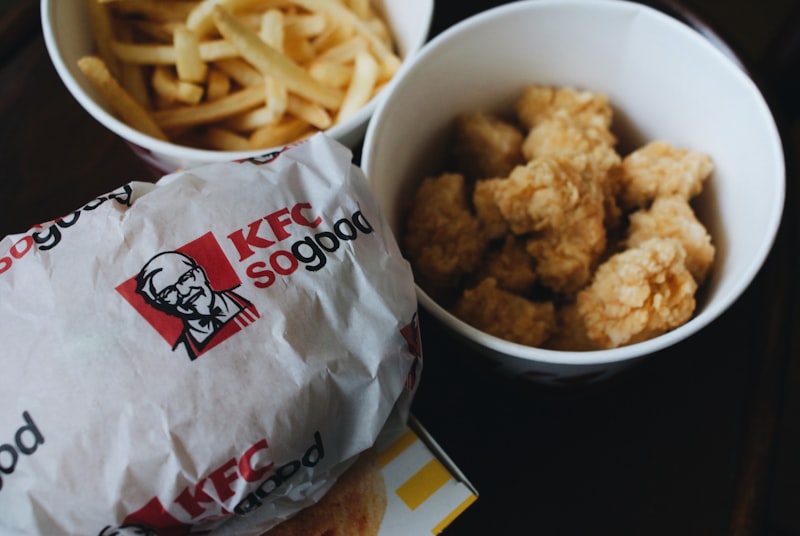
In the US, KFC was a famous fried chicken chain but lived behind McDonald's in the broader fast-food hierarchy.
In China, KFC became the first Western fast-food symbol for a generation and built a larger footprint than McDonald's.
KFC did not export American fast food unchanged - it built a Chinese fast-food company under an American brand
Executive Summary
KFC's China story is one of the most important foreign-brand case studies because it reverses the usual global hierarchy. In the United States, KFC was a famous but limited fried chicken chain. It had history, recognition and a strong product identity, but it was not the defining American fast-food system in the way McDonald's was. In China, the same brand became the first mass Western quick-service restaurant many consumers ever experienced, entered before McDonald's, localized more deeply than McDonald's, and built a national store network that made it feel almost local.
The key point is historical. KFC did not win China by being the strongest American fast-food brand at home. It won because it entered China at the right moment in 1987, when reform and opening had created curiosity about foreign lifestyles but before Western fast food was widely available. Its first store near Qianmen in Beijing was not just a restaurant. It was a public event, a symbol of modernization and a place where ordinary Chinese consumers could taste, photograph and participate in a new global consumer culture.
Before KFC entered China, the Chinese restaurant market was dominated by local dining, state-linked restaurants, hotel restaurants, work-unit canteens, street food, family kitchens and banquet culture. Western food existed, but it was mostly limited to hotels, diplomatic circles and elite urban settings. There was no nationwide Western fast-food habit. KFC helped create that habit. McDonald's entered mainland China later, in Shenzhen in 1990, and became powerful, but KFC had already claimed the first major consumer memory.
After entering China, KFC did something many foreign brands fail to do: it stopped behaving like a pure American exporter. It rebuilt its menu around Chinese eating habits. It sold congee, soy milk, rice dishes, egg tarts, localized chicken, breakfast items, seasonal products and regionally adapted flavors. It treated chicken as a flexible protein within Chinese meal logic, not merely as American fried chicken. It built supply chain, cold chain, poultry sourcing, logistics, quality control, store formats and local management before the market fully demanded that scale.
The result was explosive over the long term. From one Beijing store, KFC grew into the most extensive Western quick-service restaurant brand in China, with thousands of restaurants across first-tier cities, provincial capitals, lower-tier cities, transport hubs and shopping districts. Its China operator eventually became Yum China, a separate company with local decision-making, digital ordering, delivery systems, loyalty programs and China-specific innovation. KFC China became a Chinese operating engine wearing an American trademark.
For foreign brands, the lesson is clear. China does not simply reward global fame. It rewards early commitment, local authority, product adaptation, supply-chain investment and respect for how Chinese consumers actually eat. KFC won because it did not insist that China adapt to American fast food. It adapted fast food to China.
1. Before China: What KFC Was at Home
A famous American brand, but not the category king
KFC had strong brand recognition in the United States before its China rise. Colonel Sanders, fried chicken buckets, family meals and Southern-style positioning made it one of America's most recognizable food chains. But within the broader fast-food hierarchy, it did not occupy the same position as McDonald's. McDonald's owned burgers, fries, family convenience, children's marketing, breakfast scale, real-estate systems and the mental image of American fast food worldwide.
KFC's home identity was narrower. It was strongly associated with fried chicken, takeout buckets and family meals. That focus was an advantage in some markets but a limitation in others. In the United States, fried chicken competed with regional tastes, supermarkets, local chicken chains and later stronger rivals such as Chick-fil-A and Popeyes. KFC was famous, but it was not the unavoidable daily fast-food habit that McDonald's became.
This matters because KFC's China success was not simply the export of a dominant home-market model. If global power alone determined China outcomes, McDonald's should have won easily. Instead, KFC's narrower chicken identity became an advantage in China because chicken was more compatible with Chinese eating habits than beef burgers were.
Fried chicken had more cultural flexibility than burgers
In the American market, fried chicken is a category. In China, chicken is an ingredient with enormous adaptability. Chinese consumers already understood chicken through countless local dishes: roasted chicken, steamed chicken, spicy chicken, braised chicken, chicken soup, chicken rice, chicken wings and regional preparations. KFC's core protein was therefore less alien than the burger.
The burger was iconic globally, but it was more culturally specific. Bread, beef patties, cheese and fries represented a Western meal structure. Fried chicken, by contrast, could be pulled into Chinese meal logic more easily. It could be paired with rice, congee, soy milk, soup, spicy seasoning, wraps and breakfast.
KFC did not fully understand all of this before entering China, but its product gave it room to adapt. A foreign brand's category fit matters. Some products can localize more naturally than others.
The brand had a visual personality
Colonel Sanders gave KFC a face. The red-and-white brand system, buckets, uniforms and quick-service format made the restaurant visually recognizable. In a China that was opening to foreign brands, visibility mattered. Consumers did not only buy food; they visited a symbol.
This brand identity helped KFC's first store become an event. It looked foreign, clean, standardized and modern. That was important in a market where consumers were used to highly variable restaurant experiences. Standardization itself felt premium.
2. China Before KFC: Why the Timing Was Perfect
Reform and opening created appetite for foreign experience
KFC entered mainland China in 1987, less than a decade after reform and opening began reshaping urban life. Chinese consumers were curious about foreign products, foreign restaurants, foreign packaging and foreign service standards. The economy was changing, incomes were rising from a low base, and Beijing was becoming more exposed to global business and tourism.
At that time, visiting a Western fast-food restaurant was not an everyday convenience. It was an experience. People lined up not only because they were hungry, but because they wanted to see what American fast food looked like. KFC sold chicken, but it also sold participation in a new modern world.
The first Beijing store near Qianmen had symbolic weight. Qianmen is historically important and close to the center of old Beijing. Opening there placed KFC in public view. It was not hidden inside an elite hotel. It was visible to ordinary consumers.
Western food was scarce and aspirational
Before KFC, Western-style dining in China was limited. Hotels served foreign guests. Some old Western restaurants existed in major cities. Diplomatic and business circles had access to imported food. But there was no broad Western fast-food network.
That scarcity made the first KFC stores powerful. Consumers could experience foreign service, standardized decor, uniforms, air conditioning, bright lighting, disposable packaging and fast ordering. These details may sound ordinary now, but in late-1980s China they carried novelty and prestige.
KFC benefited from being not too formal. A luxury Western restaurant might be intimidating or expensive. KFC was foreign but accessible. It offered the emotional thrill of Western consumption without requiring the social codes of fine dining.
The Chinese restaurant market had room for a standardized chain
Chinese food culture is rich, but the restaurant market of the 1980s and early 1990s was not yet organized like modern chain retail. Many restaurants were local, state-owned, family-run or inconsistent in service and hygiene. Standardization, predictable pricing, clean restrooms, uniforms and fixed menus created a new kind of trust.
KFC's chain model therefore solved more than a food problem. It solved a reliability problem. A consumer knew what the restaurant would look like, how service would work and what the product would taste like. That predictability became part of the value.
For foreign brands, this is an important market-entry principle. The opportunity is not always the product itself. Sometimes the opportunity is a better operating model.
3. 1987: The First Store as a Cultural Event
Qianmen was not just a location
KFC's first mainland China restaurant opened in Beijing near Qianmen in November 1987. It was large, visible and ambitious. The location placed the brand near one of Beijing's most recognizable historic areas, giving it both foot traffic and symbolic importance.
The opening drew crowds. For many visitors, the store was their first experience of American-style fast food. People came with friends, families and curiosity. Some saved money to try it. Some treated the visit almost like tourism. The restaurant became a place to see and be seen.
That first-store effect mattered for decades. It gave KFC an origin story in China. Many brands enter quietly and then try to manufacture history later. KFC's history was public from the start.
The early meal was expensive but reachable
In the beginning, KFC was not cheap for ordinary Chinese consumers. A meal could represent a meaningful portion of daily income. That made the restaurant aspirational. But it was still far more reachable than luxury goods, overseas travel or fine dining.
This price position was powerful. KFC was foreign enough to feel special, but affordable enough for a broad middle class to experience occasionally. Parents could bring children. Young couples could go on dates. Students could save for a treat. Office workers could use it for a modern lunch.
The product therefore occupied a sweet spot: accessible aspiration. This is one of the most valuable positions a foreign brand can hold in China.
Children and families became early adopters
KFC quickly became associated with children, birthdays and family outings. This was strategic even if not fully planned at the beginning. Children are powerful brand carriers. A child who experiences KFC as a treat becomes an adult who feels nostalgia for the brand.
Family appeal also helped KFC avoid being only a youth or business brand. It became part of urban family life. A restaurant that families trust can scale widely because it fits routine occasions and special occasions.
McDonald's later built strong children's marketing too, but KFC's first-mover family memory gave it a durable emotional base.
4. McDonald's Entered Later - and KFC Had Already Claimed the First Memory
McDonald's arrived in Shenzhen in 1990
McDonald's opened its first mainland China restaurant in Shenzhen in 1990. Shenzhen was a logical entry point: a reform frontier, close to Hong Kong, commercially experimental and symbolically modern. McDonald's brought global scale, brand power and the burger icon.
But KFC had a three-year head start, and the first-memory advantage was real. For many Chinese consumers, KFC had already defined what Western fast food meant. McDonald's was famous globally, but in mainland Chinese consumer memory KFC had arrived first.
In a market forming new habits, three years can compound. Real estate, supply relationships, government learning, media attention, consumer curiosity and staff training all accumulate.
KFC's chicken was easier to localize than McDonald's burger
McDonald's core product was more standardized globally. That consistency is part of its strength, but in China it also created a limitation. Burgers and fries represented a clear American meal. KFC's chicken could be more easily inserted into Chinese formats.
KFC could sell wings, rice bowls, congee, wraps, localized sauces, spicy products and breakfast items without completely breaking the brand. Consumers could still see it as KFC. McDonald's could localize too, but its burger-and-fries identity was more rigid.
This gave KFC a wider meal architecture. It could compete for breakfast, lunch, dinner, snacks, family meals and delivery. It was less trapped in the "Western burger" occasion.
KFC moved beyond top cities earlier
KFC also expanded across geography with strong commitment. It did not treat China only as Beijing, Shanghai, Guangzhou and Shenzhen. It moved into provincial capitals, lower-tier cities, transport hubs and shopping centers. In many cities, KFC was the first foreign restaurant brand with national recognition.
This created local monopoly moments. If a third-tier city had one famous Western fast-food restaurant, it was often KFC. That gave the brand a status McDonald's could not easily reclaim later.
5. Localization: KFC Became Chinese Without Losing the Colonel
The menu was rebuilt around Chinese meal logic
KFC China's most important strategic decision was menu localization. It did not only add one token Chinese product. It rebuilt the menu around how Chinese consumers eat.
Chinese consumers often expect meals to include staple carbohydrates, warm foods, rice, porridge, soup, breakfast formats, shareable snacks and seasonal variety. A bucket of fried chicken alone does not serve every daypart. KFC adapted by adding congee, soy milk, youtiao, rice dishes, egg tarts, localized wraps, spicy wings, seafood products, seasonal drinks and limited-time regional flavors.
This changed KFC's competitive set. It no longer competed only with McDonald's. It competed with Chinese breakfast shops, casual lunch restaurants, snack sellers, delivery meals and family dining.
Breakfast was a major localization breakthrough
Breakfast is a good example. An American KFC breakfast might be built around biscuits, sandwiches or coffee. In China, breakfast habits include congee, soy milk, youtiao, steamed items and warm light meals. KFC created breakfast products closer to Chinese expectations.
This mattered because breakfast creates frequency. A brand that only serves lunch and dinner has limited occasions. A brand that serves breakfast becomes part of daily routine. KFC's Chinese breakfast helped it become more local and more useful.
Egg tarts showed cultural borrowing within China
KFC's egg tart became one of its most famous China products. It was not American. It drew from Portuguese/Macau-style pastry culture and became a mass QSR dessert through KFC's distribution. This shows how localization in China does not always mean traditional mainland Chinese food. It can mean borrowing from regional Chinese, Hong Kong, Macau or broader Asian food cultures and scaling them nationally.
The egg tart worked because it was sweet, warm, portable and familiar enough to accept but foreign enough to feel special. It became a symbol of KFC China's willingness to innovate beyond fried chicken.
Localized innovation created news
KFC China's constant product innovation gave consumers reasons to return. Seasonal items, spicy variations, rice meals, breakfast launches, desserts and co-branded products kept the brand active. In China, consumers respond to novelty, especially in food and beverage. Static menus can feel stale.
KFC learned to use menu innovation as marketing. A new product could generate social discussion, trial and repeat visits. This made the brand feel more responsive than many foreign chains.
The Colonel stayed, but the restaurant changed
KFC did not abandon its global identity. Colonel Sanders remained the face. The red brand system remained recognizable. Fried chicken stayed central. But the operating model became Chinese.
This balance is the heart of successful localization: keep the brand asset, localize the consumer experience. If KFC had removed the Colonel and become a generic Chinese restaurant, it would have lost foreign-brand value. If it had kept only the American menu, it would have limited its market. It did both: global symbol, local behavior.
6. Supply Chain: The Hidden Reason KFC Won
You cannot scale restaurants without local supply
KFC's store growth required a reliable Chinese supply chain. Imported chicken could never support a national restaurant network. The company had to develop local poultry sourcing, processing, cold-chain logistics, distribution centers, quality systems and supplier relationships.
This investment was not glamorous, but it was decisive. A competitor can copy a menu item quickly. It cannot easily copy decades of supplier development and logistics coverage.
For food brands, supply chain is often the real moat in China. Demand is visible; operations are hidden. KFC won because it built the hidden system early.
Food safety made supply chain a brand asset
China has experienced many food safety concerns over the decades. In such a market, a chain restaurant with standardized sourcing, inspection and traceability can build trust. KFC's supply system helped reassure parents, office workers and city consumers that the food was safe and consistent.
Food safety crises still affected the industry at times, and KFC had to manage public trust carefully. But its scale and systems gave it tools that small restaurants lacked: supplier audits, centralized standards, crisis response and brand-level accountability.
Distribution enabled lower-tier expansion
Lower-tier city expansion depends on logistics. It is one thing to run restaurants in Beijing and Shanghai. It is another to supply chicken, packaging, sauces, frozen products and training to hundreds of smaller cities.
KFC's distribution system allowed it to enter places where competitors could not operate with the same consistency. This is why supply chain and geography are connected. The brand that builds logistics first gets access to the next wave of demand.
Local suppliers upgraded with KFC
KFC's growth also helped Chinese suppliers upgrade. Poultry farms, processing facilities, packaging providers, logistics firms and food-service suppliers learned to meet modern chain standards. This created mutual dependence. KFC needed suppliers; suppliers benefited from KFC's scale.
For foreign brands, this is a deeper China lesson: local supply-chain development can create loyalty and resilience. A brand that only imports products may remain shallow. A brand that helps build local industry becomes embedded.
7. Store Network and City Strategy
First-tier cities built image
Beijing, Shanghai, Guangzhou and Shenzhen were important for visibility, media and early middle-class adoption. Stores in top cities made KFC look modern and international. They introduced the brand to students, families, office workers and tourists.
But first-tier cities were only the beginning. Many foreign brands stop there and mistake prestige-city success for China success. KFC did not.
Lower-tier cities built dominance
KFC's willingness to expand into lower-tier cities became one of its biggest advantages. In smaller cities, KFC could be the first or only major Western QSR brand for years. That gave it a powerful status role. A KFC opening could become a local event.
Lower-tier consumers often saw KFC as cleaner, safer and more aspirational than many local casual restaurants. The price premium was acceptable for family treats, dates, children's rewards and holiday outings.
This strategy compounded. Once KFC had the best sites, trained staff, local suppliers and consumer habit in a city, later competitors faced a harder battle.
Transport hubs created convenience
KFC also used train stations, airports, shopping centers and commercial hubs effectively. These locations served travelers, workers and families needing predictable food. In China, where travel volumes are enormous, transport hubs are powerful brand exposure points.
A traveler who eats KFC in a station may later choose it in their home city. The brand becomes associated with reliability in unfamiliar environments.
Store format flexibility mattered
KFC China used multiple store formats: large family restaurants, mall locations, transport-hub stores, smaller urban stores, delivery-oriented units and localized designs. This flexibility let the brand fit different city economics.
Foreign brands often struggle when they force one global format into all Chinese locations. KFC adapted formats to use occasions.
8. Digital, Delivery and Membership
China made QSR mobile-first
China's restaurant market became digital quickly. Consumers order through apps, mini programs, delivery platforms, QR codes and membership systems. KFC adapted early and deeply. It built digital ordering, delivery, coupons, loyalty and personalized offers into the business.
This is different from seeing digital as a side channel. In China, the phone is often the storefront. A consumer may discover, order, pay and review without interacting with a cashier.
Delivery changed the store economics
Delivery expanded KFC's occasions. A store no longer served only nearby walk-in customers. It could serve homes, offices, dormitories and late-night consumers through riders. This increased frequency and made KFC more competitive with local restaurants.
Delivery also required operational discipline: packaging, speed, menu suitability, kitchen workflow and platform integration. Fried chicken travels relatively well, but not every product does. KFC's menu and operations had to adapt.
Membership turned scale into data
KFC China's loyalty systems and Yum China's membership ecosystem turned millions of customers into data relationships. Membership enables coupons, birthday offers, personalized promotions, product testing and repeat purchase.
For a chain with national scale, data becomes a major advantage. It can see what breakfast sells in Chengdu, what snack works in Wuhan, what delivery bundle performs in lower-tier cities, and how price sensitivity changes by region.
This is one reason local insurgents cannot be underestimated but also cannot easily copy KFC's full system. Store count matters; data relationships matter too.
9. KFC as a Local Company Wearing a Foreign Brand
Local management made local decisions
KFC China's success depended heavily on local management authority. The China team could create products, adjust store formats, build supplier relationships and move quickly. Later, Yum China became an independent listed company, further reinforcing local decision-making.
This is one of the strongest lessons in the case. China cannot be managed only from a foreign headquarters. The market is too large, too fast and too different. Local leaders need authority, not only responsibility.
Yum China became a Chinese operating engine
Yum China operates KFC, Pizza Hut and other brands in mainland China. Its structure allows China-specific investment, technology, delivery systems, store expansion and menu development. The business is not simply a branch of an American restaurant company. It is a Chinese consumer platform with American brand assets.
This structure helps explain why KFC China can be more dynamic than KFC in the United States. It is not trapped by the same menu assumptions, franchise legacy or home-market brand fatigue.
The brand became familiar enough to feel local
After decades in China, KFC no longer feels purely foreign to many consumers. It is part of childhood memory, school trips, mall visits, train station meals, office lunches and family routines. The Colonel is foreign, but the experience is familiar.
That is the highest level of localization. The brand keeps foreign trust while gaining local habit.
10. Competitive Landscape
McDonald's: stronger globally, later locally
McDonald's remains one of the world's strongest restaurant brands and is highly successful in China. But it entered later and built a different position. It is often stronger in burgers, coffee, breakfast and urban consistency. KFC is broader, more localized and more deeply associated with chicken meals and lower-tier coverage.
The rivalry in China is not a simple copy of the US rivalry. In the US, McDonald's is far larger. In China, KFC built the larger early footprint and stronger localization.
Domestic chains changed the rules
Chinese fast-food and snack chains have grown rapidly. Wallace, Tastien, Dicos, local fried chicken brands, noodle chains, tea chains, bakery chains and convenience food brands all compete for similar occasions. Some compete on price. Some compete on Chinese flavor. Some expand through aggressive franchising.
This means KFC's future competition is not only Western. China now produces its own fast-food champions. These brands understand local taste, local price points, local real estate and social media speed.
KFC's defense is trust, supply chain, digital, menu innovation and family recognition. But it must keep moving.
Local brands attack lower-tier cities
Lower-tier cities are KFC's strength, but also the place where domestic value brands can attack hardest. Local chains can operate at lower price points and expand through franchise networks quickly. KFC cannot always win on price.
Its answer must be value without cheapening the brand: meal bundles, localized products, membership offers, reliable quality and store experience. In lower-tier markets, consumers are value-conscious but still care about trust and family safety.
11. Before-and-After China Data Logic
Before China: a mature American fried chicken brand
Before China, KFC was famous but category-limited. It had brand recognition and global potential, but its home-market role was not to dominate all fast food. It was a chicken specialist in a market where burgers and other formats had broader daily frequency.
The brand assets before China were Colonel Sanders, fried chicken, American identity, chain operations and family meal recognition. The limits were a narrow product architecture and weaker position compared with McDonald's in the broader QSR hierarchy.
After China: a national QSR leader
After China, KFC became something larger: a national food-service institution. It expanded from one store in 1987 to thousands of stores across China. It localized menu and dayparts, built a supply chain, created digital relationships and became a childhood memory for multiple generations.
The China market did not merely add stores. It changed the meaning of KFC. In China, KFC is not a tired fried chicken chain. It is a broad quick-service platform.
The transformation
The transformation can be summarized simply. In America, KFC competed inside an established fast-food category. In China, KFC helped create the category. That is why the brand could become stronger in China than at home.
Foreign brands should study this distinction. The biggest opportunities appear when a brand enters early enough to define a category, not merely compete within one.
12. Timeline: How KFC's China Advantage Compounded
1987-1992: novelty and proof of concept
The first stage was novelty. The Beijing Qianmen store proved that Chinese consumers would line up for Western fast food and pay a premium for a standardized foreign dining experience. In this period, the restaurant was not yet a daily habit. It was an event.
That event value was useful. It created press coverage, word of mouth and a clear memory. It also taught KFC early operational lessons: what Chinese consumers ordered, how families used the space, how staff training needed to work, how local sourcing had to develop, and how government and landlord relationships shaped expansion.
The first few years were therefore not just about sales. They were a research period. KFC learned China in public.
1990s: first-mover real estate and city learning
The 1990s were the decade when KFC turned early entry into infrastructure. China's urban retail landscape was changing quickly. Department stores, commercial streets, hotels, railway stations and new shopping districts created locations for modern chain restaurants.
KFC's early presence helped it learn which sites worked and which city tiers could support the brand. This knowledge compounded. A restaurant chain's real estate playbook is built through repeated openings, not theory. KFC gained data while competitors were still testing the market.
During this period, the brand also became familiar to a generation of urban children. That matters because childhood food memories are durable. A child who celebrated birthdays at KFC in the 1990s could become a parent bringing their own child decades later.
Early 2000s: localization becomes system
By the early 2000s, KFC's China playbook had moved beyond novelty. The company increasingly localized menu, store operations and sourcing. It learned that Chinese consumers wanted more than a fried chicken bucket. They wanted meals, breakfast, snacks, rice, warm products and local flavors.
This is when localization became system rather than experiment. The menu began to function as a platform for constant product testing. Some items stayed, some disappeared, and some became iconic. This willingness to test at scale gave KFC a consumer-feedback loop many foreign brands lacked.
The early 2000s also brought faster urbanization and rising incomes. Shopping malls expanded, and KFC fit the mall lifestyle. It became a safe choice for families and students in new commercial spaces.
2010s: digital, delivery and lower-tier acceleration
The 2010s changed China's restaurant market. Smartphones, mobile payments, delivery platforms and app-based coupons reshaped how consumers bought meals. KFC had to become digital, not only physical.
Delivery increased the value of store density. A broad store network meant shorter delivery distances, faster service and better coverage. Membership programs turned occasional buyers into repeat customers. Digital coupons helped KFC compete on value without fully cheapening the brand.
Lower-tier expansion also became more important. As first-tier markets matured, the next growth came from cities where Western QSR still felt aspirational. KFC's earlier investment in logistics and store formats made this expansion possible.
2016 onward: Yum China and local strategic control
The spin-off of Yum China in 2016 formalized what had already become true operationally: KFC China needed to be managed as a Chinese business. With local capital-market accountability, local leadership and a China-specific growth strategy, the brand could move faster.
This stage matters because structure shapes strategy. A China team with real authority can invest in stores, delivery, technology, menu innovation and supply chain according to local needs. A team managed as a foreign branch often cannot.
13. Chinese Consumer Segments That Built KFC
Families with children
Families were one of KFC's most important early consumer groups. Parents wanted clean, safe, modern places to take children. Children wanted novelty, fried chicken, desserts and a place that felt fun. KFC fit both needs.
This family segment gave KFC emotional durability. A restaurant that children enjoy becomes part of family routine. Birthdays, weekend outings, exam rewards and holiday shopping trips all created reasons to visit. Over time, KFC became attached to childhood memory.
For foreign brands, family trust is one of the most valuable forms of trust in China. Parents are cautious. If they accept a food brand for children, that brand gains a powerful advantage.
Young students and couples
KFC also became a low-pressure social space for students and young couples. It was cleaner and more private than many local casual restaurants, cheaper than hotels or Western restaurants, and more modern than traditional snack shops. Students could sit, talk, study, date or meet friends.
The restaurant environment mattered as much as the food. Air conditioning, lighting, seating, restrooms and predictable service made KFC a social space. In developing urban consumer markets, the place itself can be the product.
Office workers
Office workers needed fast, reliable, standardized meals. KFC's lunch and dinner products, later delivery options and digital ordering made it useful during workdays. Rice meals and localized sets helped the brand compete beyond snack occasions.
This segment pushed KFC to be practical. A brand cannot survive only on novelty. Office-worker demand turns a restaurant into infrastructure: a place people use because it is convenient and predictable.
Lower-tier city consumers
In lower-tier cities, KFC often carried stronger aspirational meaning than in Shanghai or Beijing. A KFC opening could signal that a city was modernizing. Families and young consumers visited not only for taste but for the experience of participating in a national and global brand.
Lower-tier demand also required price sensitivity. KFC could not be too expensive, but it also could not become a cheap local chain. Its challenge was to maintain trust and aspiration while offering affordable bundles and localized products.
Travelers
Railway stations, airports and transport hubs brought another segment: travelers who needed predictable food in unfamiliar places. KFC's standardization was valuable here. A traveler may not know the local restaurants near a station, but they know what KFC offers.
Travel locations also exposed the brand to consumers from many regions, creating national visibility.
14. Product Localization in Detail
Rice changed the meal logic
Adding rice-based meals helped KFC compete for ordinary Chinese lunch and dinner. Rice is a staple for many consumers. A chicken product with rice feels more like a meal than a snack. This allowed KFC to compete with Chinese fast-casual restaurants and canteens, not only burger chains.
The broader point is that staple food matters. Foreign food brands often focus on their hero product and ignore the meal structure around it. In China, a meal must satisfy local expectations of fullness, warmth and balance. Rice helped KFC do that.
Congee and soy milk localized breakfast
Congee and soy milk made KFC breakfast culturally familiar. Breakfast in China is often warm, quick and practical. A cold sandwich-only breakfast would have limited appeal. By offering Chinese-style breakfast, KFC could enter a high-frequency daypart.
This also changed consumer perception. A brand that serves congee in the morning no longer feels purely foreign. It becomes part of local routine.
Spicy products matched regional tastes
Spicy chicken products helped KFC connect with Chinese flavor preferences, especially in regions where spicy food is popular. China is not one palate. Sichuan, Hunan, Chongqing, Guizhou and other regions have strong spicy traditions. Even national consumers often enjoy spicy snacks.
Spice localization gave KFC energy. It made the menu feel less bland and more relevant. It also allowed product launches and limited-time offers to generate excitement.
Egg tarts created a dessert identity
KFC's egg tart is one of the best examples of China-specific menu success. It gave KFC a dessert product that consumers could buy separately or add to meals. It also worked for sharing and impulse purchases.
Desserts matter because they expand occasions. A consumer may enter for chicken but add egg tarts. A family may buy egg tarts as a treat. A product that travels well can support takeout and gifting-like behavior.
Seasonal products kept the brand alive
KFC China frequently launches seasonal and limited-time products. This is important in China's fast-moving consumer culture. Consumers expect novelty, and digital platforms amplify new items quickly.
However, innovation must be disciplined. Not every product should stay. KFC's advantage is not that every launch becomes iconic. It is that the brand keeps testing and learning.
15. Store Operations and Labor Model
Standardized training created trust
KFC's service model required staff training at scale. In a market where service quality varied widely, standardized greetings, uniforms, cleaning, kitchen procedures and customer handling created reliability.
For young employees, KFC also became an early modern service-industry training ground. Many workers learned chain-restaurant discipline through brands like KFC. This helped professionalize parts of China's food-service labor market.
Cleanliness was part of the value proposition
Clean dining areas, restrooms, packaging and visible kitchen discipline helped KFC stand apart from many older local restaurants. Chinese consumers did not only pay for chicken. They paid for the confidence that the restaurant was clean and predictable.
This was especially important for parents. A mother choosing where to take a child may value cleanliness as much as taste.
Store density improved convenience
As KFC added stores, it became more convenient. Convenience creates habit. A brand with one flagship store is exciting; a brand with thousands of stores becomes routine infrastructure.
Store density also supports delivery, local marketing and supply-chain efficiency. Every additional store can make nearby stores more valuable by increasing brand visibility.
Local managers created local sensitivity
Restaurant operations depend on local judgment. A manager in Chengdu may see different breakfast behavior than a manager in Shanghai. A lower-tier city store may need different pricing and staffing than a Beijing flagship.
KFC China's operating system allowed local learning while maintaining national standards. That balance is hard and valuable.
16. Supply Chain as Market Entry Strategy
Poultry sourcing needed scale and trust
Chicken is central to KFC. Without reliable poultry supply, the brand cannot scale. KFC had to develop relationships with Chinese poultry farms, processors and logistics providers while maintaining global quality standards.
This required long-term commitment. A brand testing China casually would not invest enough. KFC's supply-chain work signaled seriousness to partners and regulators.
Cold chain enabled national expansion
Cold chain allowed KFC to move products safely across regions. China is geographically huge, with different climates and infrastructure conditions. Maintaining product consistency across that space is difficult.
KFC's logistics investments turned geography from barrier into advantage. Once the network existed, it supported further expansion and made it harder for smaller competitors to match national consistency.
Supplier standards became a moat
KFC's supplier requirements forced partners to meet higher standards. Over time, the company built a supplier ecosystem that understood its needs. This created switching costs and operational resilience.
Foreign brands often underestimate how long this takes. Supplier quality is not achieved by contract alone. It requires audits, training, forecasting, investment and trust.
Crisis management depended on systems
Food brands in China will face scrutiny. Supply issues, food safety rumors, social media complaints and regulatory attention can arise quickly. A chain with strong systems can respond with traceability, corrective action and communication.
KFC's scale made it visible, but its systems gave it tools. Smaller brands may avoid attention for a while, but once they scale, weak systems become dangerous.
17. KFC's China Strategy vs Its US Strategy
The US brand leaned on legacy
In the United States, KFC's brand identity has often been tied to heritage: Colonel Sanders, original recipe, buckets and family meals. Heritage can be powerful, but it can also make a brand feel old if the category changes.
The US market already had mature fast-food habits. KFC competed against burger giants, chicken specialists, supermarkets, delivery pizza and regional preferences. It was not creating the category; it was defending a place inside it.
The China brand leaned on invention
In China, KFC was not trapped by the same legacy. It could invent. It could add congee, rice and egg tarts without consumers saying, "That is not real KFC," because Chinese consumers did not have decades of fixed expectations.
This gave KFC China strategic freedom. The brand asset was recognizable, but the menu was flexible. That freedom is one reason China became a stronger growth story than the home market.
China rewarded operating ambition
KFC China's ambition was national. It did not aim to be a small foreign novelty. It aimed to build a full restaurant system. That ambition required capital, management and operational patience.
In the US, KFC was one brand in a mature portfolio. In China, it became a platform for building modern QSR.
18. Data and Impact: Entering China Changed KFC's Global Meaning
The before-and-after store logic
Before China, KFC's global identity came mainly from American fried chicken and international franchising. After China, the brand had one of the most important foreign-restaurant success stories in modern consumer history. Its China footprint became larger and more strategically important than many observers expected.
The store-count comparison with McDonald's is symbolically powerful. McDonald's is the larger global and American fast-food brand. Yet in China, KFC built a larger footprint. This shows that local execution can overturn global hierarchy.
The revenue and operating logic
Yum China's scale shows that China is not just an overseas revenue line. It is a major operating company with its own technology, supply chain, loyalty program and expansion strategy. KFC's China success created enterprise value beyond restaurant sales.
This is what happens when China becomes a core market. The business model deepens. It creates local data, local procurement, local store formats and local innovation.
The brand-memory logic
KFC became part of Chinese consumer memory in a way few foreign restaurant brands have. It is associated with first Western meals, childhood birthdays, student dates, train station food, family mall trips and delivery. This memory is an intangible asset.
A competitor can copy a chicken sandwich. It cannot copy decades of memory.
19. The Lower-Tier City Operating Model
Why lower-tier cities were not simply smaller versions of Shanghai
KFC's lower-tier expansion worked because the company did not treat smaller cities as weaker copies of first-tier markets. Consumer psychology was different. In Shanghai, KFC might be convenient, familiar and sometimes ordinary. In a third-tier city during earlier expansion waves, KFC could be a symbol of modernization, a family treat and a clean meeting place.
This difference affects pricing, menu, store size, location and marketing. A lower-tier store may need larger family seating, stronger value bundles, more children-oriented occasions and a position near malls, schools, transport hubs or local commercial centers. It may also face fewer Western competitors but more local value restaurants.
KFC's advantage was understanding that aspiration and practicality could coexist. Consumers wanted the foreign brand experience, but they also wanted filling meals at acceptable prices. Rice products, breakfast, value sets and localized snacks helped bridge that gap.
Local real estate created durable advantage
Restaurant success is partly a real-estate game. The first strong chain to secure the best mall entrances, station sites, pedestrian streets and commercial corners can hold those advantages for years. KFC's early and broad expansion gave it site positions that later entrants had to work around.
This matters because Chinese cities grow around commercial nodes. A KFC in a key mall or near a transport hub can become part of the city's daily flow. Once consumer routines form, competitors must spend heavily to redirect them.
Lower-tier trust is built through consistency
In lower-tier cities, consumers may be more cautious about premium pricing. They need to see that the brand is worth the money every time. KFC's standardized service, clean environment and predictable taste helped justify the price difference over local low-cost food.
Consistency is especially valuable when consumers treat the visit as an occasion. If a family takes children to KFC for a birthday or reward, the brand cannot disappoint. That emotional role requires operational reliability.
The next challenge: value competitors
Domestic chains have attacked lower-tier markets with lower prices and faster franchising. This pressures KFC's value perception. The company cannot win by becoming the cheapest brand, but it must stay affordable enough for frequent use.
The answer is layered value: entry-level snacks, family bundles, breakfast deals, digital coupons, premium limited items and reliable core products. A mature brand needs price architecture, not random discounting.
20. Brand Localization Boundaries
KFC localized deeply, but did not erase itself
KFC's China menu changed dramatically, but the brand did not become anonymous. Colonel Sanders, red-and-white visual identity, fried chicken, buckets and Western QSR service cues remained. This balance protected the foreign-brand premium while allowing local relevance.
Some foreign brands misunderstand localization as becoming completely local. That can destroy the reason consumers wanted the brand in the first place. Others refuse to localize and remain niche. KFC found the middle path: foreign trust plus Chinese usability.
The brand promise stayed simple
Even with many localized products, the core promise stayed clear: safe, tasty, convenient chicken meals in a modern quick-service environment. Consumers could understand the brand without studying the full menu.
This is important because too much localization can create confusion. A brand can add products, but it should not lose its central meaning. KFC remained a chicken-led fast-food brand, not a random restaurant selling everything.
Local products worked because operations supported them
Adding congee or rice sounds easy. Scaling congee and rice across thousands of stores is not easy. Menu localization creates operational complexity: ingredients, kitchen equipment, staff training, food safety, holding time, packaging and delivery performance.
KFC's supply chain and operating system made localization scalable. This is why superficial localization often fails. The idea may be right, but the system cannot execute it consistently.
21. Practical China Entry Playbook for Restaurant Brands
Start with occasion mapping
A restaurant brand entering China should first map eating occasions, not products. Does the brand serve breakfast, work lunch, family dinner, delivery, snacks, student hangouts, late night, travel, children's rewards or business meals? KFC won because it expanded across occasions.
If a foreign brand only serves one narrow imported occasion, it may remain small. If it can adapt to multiple Chinese dayparts, it can scale.
Design the local menu architecture
The menu should include a hero product, local staples, value items, shareable products, delivery-safe products and seasonal innovation. It should not be a random list of localized experiments. Each item needs a role.
KFC's hero was chicken. Rice, congee, breakfast and egg tarts expanded the roles around that hero. This is a good model: keep the anchor, localize the surrounding meal system.
Build procurement before rapid store growth
A restaurant brand should not sign aggressive store targets before it knows how ingredients will be sourced, inspected, stored and delivered. China punishes weak supply chains. Food safety, social media and regulatory attention can expose problems quickly.
Procurement and logistics should be part of the entry budget, not an afterthought.
Choose city sequence carefully
The best city sequence is not always Beijing-Shanghai-only. Some brands should start in Shanghai for brand image, others in Shenzhen for commercial speed, others in Chengdu for food culture, and others in lower-tier cities through franchise or partnership models. KFC's story shows that national success comes from city sequencing, not prestige alone.
Give local teams product authority
If local teams cannot change the menu, pricing, promotions or channel strategy, they cannot truly localize. Headquarters should protect the brand, but China teams must control execution. KFC's China autonomy is one of the main reasons the brand became stronger there than in its home market.
Build digital membership from the beginning
Modern China restaurant strategy must include mini programs, app ordering, delivery integration, coupons, loyalty and data. A brand that enters China with only offline store thinking is already behind. KFC's digital layer is now part of its moat.
Treat food safety as marketing
In China, food safety is not merely compliance. It is part of consumer value. Brands should communicate sourcing, cleanliness, quality control and consistency in ways consumers can understand. KFC's clean standardized image helped it become acceptable for children and families.
22. Why KFC Is a Better Lesson Than a Pure Success Story
KFC's China success is useful because it is not effortless. The brand faced food safety scrutiny, local competitors, changing consumer habits, delivery disruption, rising rents and value pressure. It had to keep adapting.
That makes the case more realistic for foreign brands. China success is not one entry decision followed by automatic growth. It is decades of adjustment. KFC won the first Western fast-food memory, but it still has to defend relevance against domestic chains that move faster and cheaper.
The most important lesson is that foreign brands can win in China without being the global category leader, but they cannot win without operational seriousness. KFC was not bigger than McDonald's globally. It was better adapted to China locally. That difference decided the market.
23. What Other Foreign Food Brands Can Learn
First mover matters, but only if followed by adaptation
KFC entered before McDonald's, but timing alone did not win the market. If KFC had kept a rigid American menu, it could have become a novelty and faded. First-mover advantage becomes durable only when the brand adapts and builds systems.
Localize the meal, not the slogan
KFC localized the actual eating experience. It changed breakfast, staples, flavors, products and formats. Many foreign brands localize advertising but not the product. That is not enough in China.
The key question is: how does the Chinese consumer use this category in daily life? KFC answered that question with food, not just marketing.
Build supply chain before scaling
A food brand in China cannot grow nationally without sourcing and logistics. Quality problems can destroy trust. KFC's supply-chain investment made national expansion possible.
Brands entering China should plan suppliers, cold chain, food safety, audits and distribution before chasing aggressive store openings.
Give China real authority
KFC China succeeded because local operators had room to make decisions. If every menu item, supplier decision or campaign requires approval from a distant headquarters, the brand will move too slowly.
China teams need authority equal to the market's importance.
Go beyond Shanghai and Beijing
KFC's dominance came from national coverage. First-tier cities build image; lower-tier cities build scale. A foreign food brand that stays only in top cities may remain fashionable but small.
The real China question is whether the model can travel to the next 500 cities.
13. Conclusion
KFC's China story is not simply "an American brand succeeded abroad." It is the story of a brand that entered a market before the category existed, became the first Western fast-food memory for millions of consumers, and then localized so deeply that it became part of Chinese daily life.
Before China, KFC was a famous fried chicken chain living in the shadow of broader fast-food giants. After China, it became the leading Western quick-service restaurant brand in the world's largest consumer market. The difference was not the logo or the original recipe alone. It was timing, adaptation, supply chain, local authority and national expansion.
McDonald's was stronger globally, but KFC was earlier and more locally flexible in China. That is why the Chinese outcome reversed the American hierarchy. KFC did not win by forcing China to accept American fried chicken culture. It won by turning chicken into a Chinese quick-service platform.
For foreign brands, the message is direct: China rewards those who build for China. The market is large enough to transform a company's global story, but only if the brand is willing to change its product, operations and management model. KFC did that. That is why a brand that was not America's fast-food king became China's.