Pepsi
How Pepsi used China to become more than a cola challenger
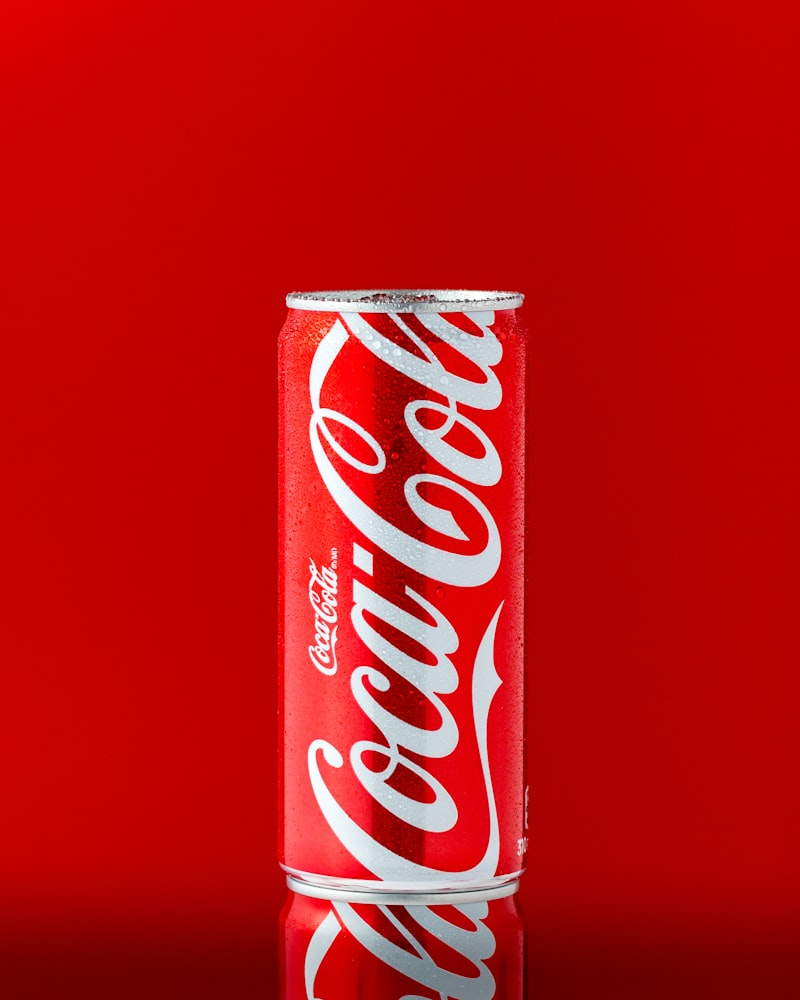
Pepsi was globally powerful, but Pepsi cola was still defined by its permanent rivalry with Coca-Cola in mature Western soft drinks.
China let Pepsi build a broader identity around snacks, local flavors, retail reach, digital commerce and everyday consumption.
Pepsi did not win China by copying its U.S. cola war; it won by choosing a different battlefield
Executive Summary
Pepsi's China story is not simply a story about Pepsi cola. That is the first point to understand. If the case is judged only through the old Pepsi versus Coca-Cola rivalry, the analysis becomes too narrow. In the United States, Pepsi has spent generations fighting Coca-Cola in a mature cola category where consumer identity, restaurant fountain systems, supermarket shelf habits and advertising memory were already deeply established. In China, Pepsi entered a very different market: a country where modern packaged beverages, convenience retail, Western snacks and premium potato chips were all still developing.
That difference gave Pepsi a strategic opening. Instead of treating China only as another cola battlefield, Pepsi gradually used China to build a broader food-and-beverage platform. Pepsi cola mattered, but Lay's, Quaker, local flavors, manufacturing investment, potato agriculture, modern retail, convenience stores, e-commerce and lower-tier distribution became just as important. China allowed Pepsi to show a side of itself that the American cola war often hides: the company is not only a soda challenger. It is a portfolio operator with the ability to create occasions, build snack categories and manage distribution systems.
Before Pepsi's China expansion, Chinese consumers had soft drinks, but the beverage market was fragmented and local. Carbonated drinks existed, but tea, boiled water, local sodas, fruit drinks and later domestic brands shaped everyday consumption. Chinese consumers also had rich snack habits, but these were not centered on Western potato chips. Seeds, nuts, dried fruit, preserved fruit, puffed snacks, instant noodles, street foods and regional small eats were more familiar. Potato chips were not yet a mass premium category with national brand hierarchy and hundreds of flavor variants.
After decades in China, Pepsi became part of a very different consumer landscape. Pepsi became a familiar international beverage brand. Lay's became one of the most recognizable packaged snack names in the country. The company learned to localize flavor at a level far beyond the normal Western export model, including cucumber, hot pot, grilled seafood, spicy regional profiles and seasonal editions. It built manufacturing and agricultural capability to support the chip business. It used modern trade, traditional trade, convenience chains and e-commerce to make snacks available from top-tier malls to county-level stores.
The deep strategic lesson is that China can release a brand from its home-market definition. At home, Pepsi is often viewed through the shadow of Coca-Cola. In China, Pepsi could choose a different axis of competition. It could compete in beverages, but it could also use snacks to own a category space where Coca-Cola had no comparable asset. The China case therefore teaches foreign brands a hard but useful rule: do not assume the category that defines you at home must be the category that makes you important in China.
This is why Pepsi belongs in the same conversation as Apple, KFC, Starbucks, Nike and Uniqlo. All of these brands entered China with global identity, but their China success depended on local reinterpretation. Apple became more than a phone maker; it became a premium digital-life symbol in the Nokia and Motorola transition era. KFC became more than American fried chicken; it became a localized family-dining platform. Starbucks became more than coffee; it became urban lifestyle infrastructure. Pepsi became more than cola; it became a snack-led, flavor-localized, distribution-heavy consumer platform.
1. Before Pepsi: What Beverages and Snacks Meant in China
A beverage culture led by tea, water and local habits
Before foreign soft-drink brands became common, China's beverage culture was not organized around cola. Tea had deep cultural authority. Hot water was part of daily health habits. Local sodas existed in many cities, often with strong regional memory. Fruit drinks, herbal beverages and later tea drinks also reflected a market where refreshment did not automatically mean carbonated cola.
This matters because Pepsi did not enter a country waiting for Pepsi in the way an American supermarket shelf might frame cola. It entered a country where the beverage occasion itself was still open. Carbonated drinks could be modern, youthful and foreign, but they were not the default drink for every meal. Consumers had to learn when to drink cola, where to buy it, how to compare brands and why an international soft drink deserved a place beside local choices.
The early Chinese soft-drink market also had local pride. Brands such as Jianlibao, Arctic Ocean and other regional drinks proved that Chinese consumers could attach emotion to domestic beverages. Foreign brands had prestige, but they did not enter an empty field. They entered a market with local flavors, local distribution and local nostalgia.
Snack habits before the Western chip category
China had a large snack culture before Lay's became familiar. It was just not a Lay's-style snack culture. Consumers ate sunflower seeds, melon seeds, peanuts, dried fruit, preserved plums, hawthorn products, bean snacks, rice crackers, fried dough products, street foods, instant-noodle side snacks and many regional specialties. Snacking was social, seasonal and often tied to family occasions, train travel, festivals, school life and local taste memory.
Potato chips therefore had to earn their role. A chip was crispy and convenient, but it was not automatically superior to local snacks. To become a mass category, it needed consistent quality, appealing flavors, modern packaging, wide distribution and a reason for repeat purchase. Pepsi's opportunity was to turn a Western snack format into a Chinese consumption habit.
That required more than translation. A plain salted chip might be accepted as foreign novelty, but it could not define a national snack market by itself. Chinese consumers are highly flavor-literate. They compare spicy levels, regional notes, seafood profiles, freshness, mouthfeel and aftertaste. A brand that wants long-term snack leadership in China must speak through flavor, not only through logo.
A retail system still being built
When Pepsi began developing China, the country's modern retail infrastructure was also evolving. Traditional shops, state stores, wet markets, small grocers, restaurants and local distributors were important. Supermarkets, hypermarkets, convenience chains and e-commerce arrived later as major forces. This meant Pepsi had to build with the retail system, not simply plug into a finished system.
For beverages, the challenge was cold-chain availability, bottling, route-to-market density, food-service placement and small-shop reach. For snacks, the challenge was shelf visibility, pack sizes, freshness, breakage control, national distribution and promotion cycles. A brand could not win with advertising alone. It had to be physically present in the places where Chinese consumers actually bought daily goods.
This is one reason foreign brands that won China early usually invested deeply in operations. They built factories, local partnerships, procurement systems, sales teams and distributor networks. Pepsi's China story fits that pattern. The brand message mattered, but the operational base made the message buyable.
2. Pepsi Before China Became a Major Market
A global giant trapped in a familiar cola narrative
Before China became central to Pepsi's international strategy, the company was already globally important. Pepsi-Cola had history, scale and advertising power. Frito-Lay gave Pepsi one of the world's strongest snack businesses. The company had the resources to invest internationally, sponsor celebrities, build bottling systems and operate across multiple consumer categories.
Yet public perception often reduced Pepsi to the Pepsi versus Coca-Cola story. That rivalry is powerful because cola is symbolic. Coca-Cola has long owned a strong emotional position in global culture: tradition, happiness, Americana and the original cola icon. Pepsi often positioned itself as younger, challenger-like, music-driven and generational. That identity could be attractive, but it also reinforced the idea that Pepsi was the alternative to Coke rather than the category-defining leader.
China gave Pepsi the chance to weaken that framing. In a developing consumer market, the company did not have to be known only through cola comparison. It could introduce a broader portfolio before consumer habits hardened. It could build snacks, breakfast products, juices, sports drinks and flavored beverages into the same market development story.
Frito-Lay as the hidden strategic asset
The most important Pepsi asset in China may not have been Pepsi cola. It was Frito-Lay capability: the knowledge of how to build a snack category, manage potato procurement, control frying and seasoning quality, design packaging, develop repeatable flavors and sell through modern retail. Coca-Cola did not have that asset.
This distinction is crucial. In beverages, Coca-Cola could match or exceed Pepsi in brand memory, bottling strength and cola association. In snacks, Coca-Cola had no equivalent. Pepsi could use Lay's as a category-building tool in China while Coca-Cola remained structurally limited to beverages and adjacent drinks.
The China opportunity was therefore not just "sell Pepsi to more people." It was "use Pepsi's full portfolio in a market where categories are still forming." That is a very different strategic thesis.
A company comfortable with portfolio economics
Pepsi's global structure trained it to think in portfolios. A beverage may bring scale. A snack may bring margin and frequency. A breakfast product may create a different daypart. A sports drink may attach to fitness. A juice may serve family or health occasions. In China, this portfolio logic became especially useful because consumers were adopting multiple modern packaged-food habits at once.
The company did not need every product to dominate. It needed the portfolio to create retailer leverage, consumer familiarity and occasion coverage. A supermarket buyer could carry Pepsi beverages, Lay's chips, Quaker oats and other Pepsi products across aisles. A convenience store could pair a cold drink with a small snack pack. An e-commerce store could bundle flavors and categories. This system made Pepsi larger than any single product.
3. Early Entry: Why China Was Not Just Another Cola War
Reform-era timing created a rare opening
Pepsi began building China links in the early reform era, when Shenzhen and other opening regions were experimenting with foreign investment, modern manufacturing and new consumer goods. This timing mattered. The company arrived before many consumption habits were settled and before China's modern packaged-food market had fully scaled.
Early entry gave Pepsi learning time. It could understand regulators, partners, distributors, retailers and consumers before later competitors arrived with more aggressive playbooks. It could see which products moved, which flavors failed, which channels mattered and how local demand differed from global assumptions.
For foreign brands, early China entry was often uncomfortable because the market was not yet easy. Incomes were lower, logistics were harder, retail was fragmented and consumer education was required. But that difficulty created advantage for patient companies. Brands that learned early were better positioned when the market later exploded.
Coca-Cola rivalry remained, but it did not define the whole business
Pepsi and Coca-Cola still competed in China. That was unavoidable. Cola shelves, restaurant contracts, vending, food service, campaigns and youth positioning all mattered. But Pepsi's China advantage came from refusing to let that rivalry define the total strategy.
In the United States, a consumer can compare Coke and Pepsi inside a mature cola category. In China, the bigger question was what modern packaged consumption would become. Would consumers drink cola with meals? Would they buy chips for parties? Would families accept Western snacks? Would young consumers use soft drinks and snacks as social products? Would e-commerce turn limited flavors into events? These questions were bigger than cola share.
Pepsi's answer was to play several games at once. It competed in cola, but it also built snacks. It used beverage distribution knowledge, but it did not depend only on beverage outcomes. It kept the Pepsi brand visible while making Lay's the category hero in snacks.
Local partnerships and operating pragmatism
China often rewards pragmatism more than purity. Pepsi's market development involved bottling arrangements, local manufacturing, distribution partnerships and later strategic channel decisions. The company understood that controlling every asset directly was not always the best way to grow. In beverages especially, bottling and distribution are heavy, local and operationally complex.
The broader principle is that foreign brands entering China must decide where they need control and where they need leverage. Pepsi needed control over brand, product standards, flavor strategy and portfolio architecture. It could use partners for parts of bottling and distribution where local scale mattered. That flexibility helped it avoid being trapped by one operating model.
4. Lay's: The Category Pepsi Could Own
Potato chips had room for a standard setter
Lay's succeeded in China because the potato-chip category had room for a standard setter. In a mature market, a new chip brand fights for shelf space against established habits. In China, the premium chip category was still developing. Consumers could be taught what good chips looked like: consistent thickness, strong crunch, clean packaging, reliable flavors, recognizable brand and wide availability.
This gave Lay's a powerful role. It was not only selling chips; it was defining chips. A generation of Chinese consumers learned to associate modern potato chips with Lay's-style packaging, flavors and texture. Once a brand helps define the category, competitors must fight the consumer's memory.
This is similar to what KFC did with Western fast food and what Starbucks did with coffeehouse culture. The first strong category builder often becomes the mental reference point. Later competitors may copy, improve or discount, but the reference brand remains central.
Flavor localization was not decoration
Lay's China became famous for flavor localization because Pepsi understood that flavor is cultural language. A cucumber chip, hot-pot chip, grilled seafood chip or spicy regional chip does not only add novelty. It tells the consumer that the brand is listening to local taste memory.
Western snack companies sometimes misunderstand localization as a marketing add-on. In China, it is product strategy. Chinese consumers have strong regional flavor expectations, and they often enjoy discussing whether a product captures the taste correctly. A localized flavor becomes social content. People buy it to try, compare, share, laugh, criticize or recommend. Even debate can help the brand, because the product becomes part of conversation.
The best Lay's flavors did not ask consumers to abandon Chinese cuisine. They borrowed from it. This reduced adoption friction. A consumer who already understands cucumber freshness, hot-pot spice or seafood seasoning can approach the chip with curiosity rather than confusion.
Local flavors created a testing engine
Localization also gave Pepsi a product-testing system. Limited editions, regional flavors, seasonal packs and online drops allowed the company to test demand without permanently committing every SKU to national distribution. Successful flavors could scale. Weak flavors could disappear. The market itself became a research lab.
This is especially valuable in China because consumer feedback is fast. E-commerce reviews, social posts, short videos, livestream comments and reseller chatter can reveal whether a flavor is becoming culturally alive. Pepsi could watch not only sales, but also conversation. That speed is one reason China became a market where global brands learned faster than in many traditional channels.
Lay's became more Chinese without losing foreign quality
The strongest foreign brands in China often do two things at once: they localize enough to feel relevant, but they keep enough foreign quality signal to justify premium pricing. Lay's did this well. It offered China-specific flavors, but the brand still carried international manufacturing standards, modern packaging and global recognition.
This balance matters. If a foreign brand localizes too little, it feels distant. If it localizes so much that it loses its premium origin signal, it becomes easier to replace. Lay's found a middle position: locally flavored, globally trusted.
5. Snacks, Agriculture and Manufacturing Depth
Chips require a supply chain, not just seasoning
A potato chip looks simple to the consumer, but the business behind it is complex. It requires potato varieties, farming standards, storage, slicing, frying, seasoning, packaging, freshness control, logistics and shelf management. A brand cannot build national chip leadership by importing a few containers and buying ads.
Pepsi's China snack strategy therefore depended on agricultural and manufacturing investment. The company needed reliable potato supply, consistent processing quality and plants close enough to serve national distribution efficiently. This made the snack business harder for small competitors to copy.
The supply-chain barrier is one reason Lay's leadership was durable. A local competitor might copy a flavor, but matching nationwide consistency is harder. A foreign competitor might have global brand recognition, but without local supply and distribution, the product remains expensive or limited.
China also learned from Pepsi's standards
As with Nike's manufacturing story, Pepsi's China investment had a two-way effect. Pepsi used China as a market and production base, but Chinese suppliers, farmers, packaging companies and retailers also learned from global-standard requirements. Over time, this upgraded the broader snack ecosystem.
That creates a familiar China paradox. Foreign brands help develop local capability, and local competitors later benefit from the stronger ecosystem. The same retail, logistics, packaging and production improvements that help Lay's also make it easier for Chinese snack brands to improve. Pepsi's long-term defense therefore cannot be supply chain alone. It must combine supply chain with brand, flavor pipeline, channel power and consumer trust.
Manufacturing commitment signaled seriousness
Factories and local procurement also send a signal to consumers, retailers and officials: the company is not only trading with China; it is building in China. This matters for foreign brands because China often distinguishes between opportunistic exporters and long-term participants.
Pepsi's decades of investment helped it become part of China's packaged-food infrastructure. That makes the brand more credible than a product that appears only through cross-border channels or short-term import campaigns. In mass-market food, local commitment matters because freshness, safety, availability and affordability all depend on operational depth.
6. Beverage Strategy: Diversification Over Direct Confrontation
Pepsi cola remained important but not sufficient
Pepsi cola gave Pepsi visibility. It connected the company to youth advertising, music, sports, restaurants and modern refreshment. But cola alone was not enough to define Pepsi's China opportunity. Coca-Cola remained a powerful competitor, and Chinese beverage consumption was too diverse to be reduced to one cola battle.
Pepsi therefore needed beverage diversification. Lemon-lime drinks, fruit-flavored carbonates, sports drinks, juice and zero-sugar products all opened different occasions. A young consumer might choose Pepsi at a meal, a fruit soda for refreshment, Gatorade after exercise or a sugar-free drink during a health phase. Each category reduced dependence on winning cola outright.
This is a useful lesson for foreign brands with a famous flagship product. The flagship may open doors, but the portfolio creates resilience. In China, consumer preference can shift quickly, and categories fragment. A one-product identity is easier to attack.
Tingyi and the logic of distribution leverage
Pepsi's beverage alliance with Tingyi, known for Master Kong, reflected a practical recognition: China beverage distribution is dense, local and heavy. Bottling drinks and moving them across a huge country requires capital, relationships and route depth. Tingyi had strong mainland distribution capability, especially in channels foreign companies could struggle to reach efficiently.
By leaning on a strong local distribution partner for beverage bottling and route-to-market execution, Pepsi could focus more on brand, concentrate economics, portfolio strategy and snacks. Some observers may interpret such moves as giving up control, but in China the better question is whether the arrangement improves market reach and capital efficiency.
Foreign brands should study this carefully. Full ownership is not always the highest-control strategy if the company lacks local execution depth. Sometimes a local partner gives the brand more real control over consumer availability than a theoretically controlled but weak network.
Zero sugar and sports drinks changed the beverage frame
As Chinese consumers became more health-conscious, the beverage market moved beyond traditional sugar carbonates. Zero-sugar drinks, tea drinks, functional drinks, sports hydration and premium water all gained attention. This shift weakened the old cola-only frame and made portfolio thinking more important.
Pepsi's assets in sports drinks and sugar-free beverages gave it paths to participate in newer habits. These were not the same as the early cola battle. They connected to fitness, weight control, office consumption and young urban lifestyles. The lesson is that China market entry is never finished. A brand must keep entering new consumer occasions even after it has entered the country.
7. Distribution: The Quiet Reason Pepsi Scaled
Winning on the shelf
Food and beverage brands win China on shelves, counters, refrigerators, delivery apps, marketplace search results and livestream bundles. Advertising can create desire, but distribution captures it. Pepsi's long presence allowed it to build the kind of reach that makes a product feel normal.
For Lay's, shelf presence mattered because snacks are often impulse purchases. A consumer may not plan to buy chips, but a visible pack near drinks, checkout counters or family snack aisles can trigger purchase. For Pepsi beverages, cold availability matters. A soft drink that is not cold at the moment of thirst loses the occasion.
This is why lower-tier and traditional trade matter. A brand that is visible only in premium malls or top-tier supermarkets may look successful to outsiders while missing huge volume. China is not only Beijing, Shanghai, Guangzhou and Shenzhen. County stores, campus shops, small supermarkets and local convenience outlets carry enormous daily consumption.
Pack architecture and affordability
Distribution is not just where the product is sold. It is also how the product is sized and priced. Pepsi needed small packs for impulse and affordability, larger packs for family sharing, bundles for e-commerce and seasonal packs for gifting or promotions. Each format serves a different occasion.
This is particularly important in China because consumers may be premium-seeking and price-sensitive at the same time. A young buyer might pay for a special flavor but still compare pack value. A family might buy large packs during holidays but small packs for daily school snacks. A lower-tier consumer might first try a small pack before trusting the brand enough for larger purchases.
Good pack architecture lets a brand be aspirational without becoming inaccessible. Lay's could feel like a better snack than low-cost local chips while still being available in small, manageable formats.
E-commerce and the national test market
China's e-commerce platforms gave Pepsi a national test market. A new flavor or bundle could reach consumers across regions quickly. Sales data, reviews and social discussion could show whether a product deserved offline expansion. This is very different from relying only on slow retail buyer feedback.
E-commerce also supports variety. A physical store cannot carry every flavor, but an online flagship can offer broader assortments, limited editions and multi-pack experiments. For a flavor-driven snack brand, this is a major advantage.
However, e-commerce also makes competition transparent. Consumers compare prices instantly. Reviews expose weak products. Promotions can train shoppers to wait for discounts. Pepsi had to use online channels without letting the brand collapse into pure price competition. Official stores, story-rich product pages and limited-time launches helped maintain some premium control.
8. Pepsi and Chinese Consumer Segments
Urban youth and pop culture consumers
Pepsi has long used music, celebrities and youth imagery. In China, this helped the beverage brand connect with younger consumers who associated international soft drinks with modern entertainment, concerts, campus life and social gatherings. Cola became part of a global youth vocabulary.
But youth consumers also move quickly. They try new drinks, follow idols, respond to platform trends and change taste preferences. This made snacks useful because snack flavors and limited editions could refresh the brand more often than core cola formulas. A new chip flavor can create social discussion without changing the entire Pepsi brand.
Families and everyday snack tables
Lay's did not win only with sneaker-style hype or youth novelty. It also became part of family snacking. Larger packs, supermarket availability and sharing occasions made chips acceptable for home use. In Chinese families, snacks are often offered to guests, children, relatives and friends. A trusted brand with recognizable packaging has an advantage in that setting.
The family segment also values safety and consistency. Parents may worry about junk food, but they also want products that feel reliable. Pepsi's international quality signal helped Lay's become a safer choice than unknown low-cost snacks.
Lower-tier consumers
Lower-tier cities and county markets are not simply cheaper versions of top-tier cities. They have different retail habits, price sensitivity, media patterns and local relationships. Pepsi's distribution depth helped it reach these consumers, but success required formats and prices that matched the occasion.
Small packs are important here. They allow trial and frequency without making the purchase feel expensive. Once a product becomes habitual, the brand can introduce larger packs or more premium variants. This gradual ladder is how mass packaged-food brands build durable volume.
Health-conscious consumers
China's health-conscious consumers create both risk and opportunity. Fried chips and sugary soda face pressure from concerns about weight, sugar, oil and sodium. At the same time, healthier products can expand the portfolio. Quaker, baked snacks, portion-controlled packs, zero-sugar drinks and sports hydration all allow Pepsi to participate in the health trend.
The key is credibility. Consumers will not accept every "healthy" claim from an indulgent snack company. Pepsi needs clear product facts, transparent nutrition, appropriate portioning and distinct sub-brands or tiers. Health cannot be only a slogan.
9. Competitive Landscape Over Time
Coca-Cola: the beverage rival, not the whole map
Coca-Cola remains Pepsi's most visible rival in beverages. It has a strong cola identity and deep bottling/distribution capability. In many consumer minds, Coca-Cola still owns the original cola position. Pepsi can be younger and more music-driven, but Coke's heritage is hard to displace.
However, the China case shows why focusing only on Coca-Cola misses Pepsi's larger strategy. Coca-Cola does not own a Lay's equivalent. It does not have Pepsi's snack architecture. This means Pepsi can lose or trail in some cola situations while still building a stronger total food-and-beverage platform in other categories.
Local beverage brands
China's beverage market has produced strong local and regional players in tea drinks, functional beverages, herbal drinks, dairy drinks, juices and bottled water. These competitors often understand local taste faster than foreign brands and can move quickly through domestic channels.
For Pepsi, local beverage competition means the market cannot be treated as a simple U.S.-style carbonated soft-drink fight. Chinese consumers may choose a tea drink instead of cola, a functional drink instead of sports soda, or a domestic zero-sugar beverage instead of an international brand. The competitive set keeps changing with consumer occasions.
Local snack companies
In snacks, Pepsi competes with local chip makers, nut brands, dried-fruit brands, puffed-snack producers, e-commerce snack platforms and regional favorites. Some local brands are faster in social commerce. Some are cheaper. Some have stronger local flavor intuition. Some use Chinese cultural storytelling more naturally.
Lay's advantage is category authority and product consistency. But local brands have improved. They can copy flavors, respond to trends, use domestic pride and build online communities. Pepsi therefore cannot rely only on first-mover advantage. It must continue to innovate and defend shelf space.
Premium specialists and new health brands
As China becomes wealthier, new competitors emerge in premium nuts, low-calorie snacks, protein products, cereal bars, functional drinks, boutique beverages and imported specialty foods. These brands may not challenge Lay's directly in potato chips, but they compete for the same consumer spending occasion: afternoon snack, office food, children's treat, fitness support or social sharing.
This makes Pepsi's portfolio strategy even more important. The company must serve indulgence, refreshment, health, sharing and convenience without letting the brand become confused.
10. Before-and-After China Data Logic
Before China: strong global company, limited local category fit
Before China became a major market, Pepsi had global brands, capital, product technology and snack capability. But China did not yet have the same packaged-food habits that supported Pepsi in the United States. Cola was not the dominant beverage frame. Potato chips were not a mass premium snack standard. Modern retail was still developing. Consumers had to be educated category by category.
The opportunity was not immediate volume alone. It was category formation. Pepsi had to ask: which habits can we help create? Which occasions can we enter? Which product meanings can we localize? Which channels can we build before competitors become entrenched?
After China: a broader strategic identity
After decades in China, Pepsi's role became broader. Pepsi was a familiar soft drink, but Lay's became the clearer example of China-specific success. The company proved it could localize flavor, manage supply chain, build modern snack manufacturing and reach consumers across multiple channels.
This changed the meaning of China inside Pepsi's global business. China was not just a foreign market that bought exported American products. It became a market where product innovation, flavor development, digital testing and distribution strategy could influence how the company thought about other emerging markets.
Why recent-year data is not enough
Pepsi's China story should not be reduced to recent annual growth rates. Those numbers matter, but they do not explain the transformation. The deeper before-and-after comparison is historical: before China, Pepsi's public identity was heavily shaped by cola rivalry; after China, the company had a powerful example of snack-led category leadership in one of the world's largest consumer markets.
For foreign brands, this is the correct way to use data. Do not ask only whether sales rose this year. Ask what consumer habit the brand created, what category position it earned, how local competitors changed, and whether the brand's role in the market became more important than its role at home.
11. Strategic Risks and Long-Term Limits
Health pressure
The biggest long-term risk for Pepsi in China is health pressure. Fried snacks and sugary beverages face a cultural shift toward lower sugar, lower oil, lower sodium and functional nutrition. Chinese consumers still enjoy indulgent products, but they are more conscious of ingredients and body image than before.
Pepsi's answer cannot be to pretend chips and soda are health foods. The better strategy is portfolio balance: keep indulgent products strong, offer portion control, improve nutrition where credible, expand Quaker and healthier snack lines, and make zero-sugar beverages more visible. Honesty matters because Chinese consumers are skeptical of weak health claims.
Local competitors learn quickly
Pepsi helped develop China's modern snack market, but local competitors learned from that market. They can use domestic supply chains, local flavor teams, lower costs and fast social-commerce cycles. Some can launch products faster than a multinational with heavier approval systems.
This means Pepsi must keep China teams empowered. If every flavor, campaign or package decision moves too slowly through global bureaucracy, local competitors will exploit the delay. China requires speed with discipline.
Flavor novelty can become fatigue
Localized flavors are powerful, but too many novelty flavors can create fatigue. Consumers may try once and not repeat. A brand can become known for stunts instead of daily quality. Pepsi must separate trial-driving limited editions from core repeat products.
The best flavor strategy has layers: reliable core flavors for daily purchase, regional flavors for local relevance, seasonal flavors for excitement, and experimental flavors for social media. If all products become experiments, the shelf becomes confusing.
Channel discounts can weaken premium positioning
E-commerce and livestream platforms create volume, but constant discounts can train consumers to wait for deals. This is dangerous for a premium mass brand. Pepsi needs to use bundles, limited flavors and membership value rather than relying only on price cuts.
The brand must protect the idea that Lay's is worth paying for. If it becomes just another discounted snack in a livestream cart, the long-built quality moat weakens.
12. What Foreign Brands Can Learn from Pepsi
Do not be trapped by your home-market identity
The clearest lesson is that a brand's home-market identity can be too narrow. Pepsi could have entered China thinking only about beating Coca-Cola in cola. Instead, its stronger China story came from snacks and portfolio leverage. Foreign brands should ask where their capabilities match China's unfinished categories, not only where their famous product fits.
Build the category, not only the brand
Lay's succeeded because Pepsi helped build the premium chip category. It invested in product quality, local flavors, supply chain and distribution. A brand that builds the category gains mental leadership. A brand that only buys ads inside an existing category may remain interchangeable.
Localize the product, not just the message
Pepsi's China localization was tangible. Consumers could taste it. Flavor localization is stronger than translated advertising because it proves the brand has entered local life. The same principle applies outside food: product fit, service model, packaging, sizing, payment, delivery and after-sales experience must localize, not just the campaign.
Treat channels as strategy
China channels are not passive pipes. They shape the product. Convenience stores favor small packs and impulse. Supermarkets favor family formats and shelf blocking. E-commerce favors variety and reviews. Livestream favors bundles and urgency. Traditional trade favors affordability and route density. A China strategy that does not design for channel behavior will underperform.
Use China as a learning market
Pepsi's China experience shows that China can teach a multinational. Flavor testing, digital feedback, lower-tier penetration, portfolio bundling and fast retail change can produce lessons for other markets. Foreign brands should not treat China only as a place to sell. They should treat it as a place to learn.
13. The Timeline Logic: Pepsi Before and After China
Pepsi's China story becomes clearer when it is divided into eras. The first era was brand arrival. In this period, the key task was recognition. Chinese consumers were becoming familiar with foreign soft drinks, modern supermarkets, international advertising and the idea that packaged consumer goods could carry lifestyle meaning. Pepsi's value in this phase was not only taste. It was a sign of modernity and global youth culture.
The second era was category education. Consumers had to learn when Pepsi fit daily life and when Lay's fit snacking occasions. This was different from selling into a mature American grocery aisle. In China, Pepsi and Lay's were participating in the creation of modern packaged-food rituals: cold drinks at restaurants, chips at home, snacks during travel, party packs for sharing, impulse purchases in convenience stores and online bundles for festivals or promotions.
The third era was localization. This is when Lay's became especially important. Pepsi could not rely on American flavors or Western assumptions. The brand had to show that it understood Chinese taste. Cucumber, hot pot, seafood, spicy regional notes and seasonal flavors helped make the snack business feel local without removing the international quality signal. This was the era when Pepsi's China strategy moved from imported recognition to local participation.
The fourth era was channel expansion. Modern trade, convenience stores, traditional shops, restaurant channels, e-commerce and social commerce all became part of the system. Pepsi needed cold availability and meal occasions. Lay's needed shelf visibility and pack architecture. Quaker and other products needed different dayparts. The company had to build a route-to-market model that matched China's fragmented retail reality.
The fifth era is portfolio competition. China is now mature enough that Pepsi cannot win through foreign prestige alone. Local beverage companies, local snack brands, health-focused challengers, short-video-native products and domestic premium brands all compete for the same consumer wallet. The question is no longer whether Chinese consumers know Pepsi. They do. The question is whether Pepsi can remain relevant across new health, flavor, channel and cultural expectations.
This timeline shows why recent-year data alone is too narrow. The strategic before-and-after shift is larger. Before China, Pepsi was strongly associated with a global cola rivalry. After China, Pepsi had a model for using snacks, localization and distribution to create a broader market role. The China result is not just revenue. It is a new operating identity.
14. America Versus China: Two Different Strategic Games
The American Pepsi story is a share battle inside a mature category. Cola is already defined. Consumers know what Pepsi and Coca-Cola mean. Restaurants, supermarkets, stadiums and vending systems are established. Advertising reinforces existing loyalties more than it creates an entirely new category. In that world, Pepsi's challenge is to be chosen over a rival that many consumers see as the default cola.
China was different because the category map was less fixed. Consumers were not only choosing between two cola brands. They were deciding whether carbonated soft drinks belonged in meals, whether Western chips belonged on the snack table, whether convenience stores should be used for impulse snacks, whether online bundles were trustworthy and whether foreign packaged foods could be part of everyday family life.
This means Pepsi's China strategy could be more creative than its U.S. strategy. In America, Pepsi often competes inside Coca-Cola's shadow. In China, Pepsi could move sideways into a battlefield where its rival had no equivalent strength: snacks. Lay's gave Pepsi a category where it could be the standard setter, not the challenger. This is why the China case is strategically more interesting than a cola ranking table.
The comparison also explains why China rewarded operational patience. A mature U.S. category can be influenced through advertising, promotion and shelf negotiation. A forming China category required factories, flavor work, agriculture, distribution, retailer education, channel adaptation and local teams. Pepsi had to build the conditions for demand, not only capture existing demand.
For foreign brands, this is the central China lesson. Do not import your home-market fight if China offers a better fight. A company known for one product at home may become powerful through a different capability in China. The transferable asset may be supply-chain discipline, product design, food safety, packaging, channel management, brand trust or portfolio thinking. Pepsi's transferable asset was not only cola. It was the ability to build repeat-purchase packaged-food systems.
This also protects the brand from overdependence. If Pepsi had treated China only as a cola war, its strategic upside would have been limited by Coca-Cola's strength and by China's changing beverage preferences. By building snacks and adjacent products, Pepsi created more ways to win. A Chinese consumer might choose Coca-Cola for cola but still buy Lay's for snacks. That is a better strategic position than asking every consumer decision to be a direct cola victory.
15. How to Read Pepsi's China Data Correctly
Pepsi's China data should be read through several layers. The first layer is direct commercial performance: beverage sales, snack sales, market share, gross margin, store coverage, e-commerce conversion and distribution reach. These metrics are necessary, but they do not fully explain why the brand matters.
The second layer is category position. In beverages, Pepsi must be compared with Coca-Cola, local carbonated drinks, tea drinks, bottled water, sports drinks, zero-sugar beverages and functional drinks. In snacks, Lay's must be compared with local chips, nuts, dried fruit, puffed snacks, imported snacks and healthier alternatives. The competitive set changes by occasion. A lunch drink, a gym drink, an office snack and a family-sharing pack are not the same market even if they appear in the same store.
The third layer is consumer meaning. Does Pepsi still feel youthful? Does Lay's still feel like a premium chip? Do local flavors feel authentic or forced? Do young consumers discuss new releases voluntarily? Are families comfortable putting the product on the table? Do lower-tier consumers see it as affordable enough for repeat purchase? These questions cannot be answered only by annual revenue.
The fourth layer is channel health. A brand may look strong in e-commerce but weak in traditional trade. It may sell well during promotions but struggle at full price. It may have top-tier visibility but poor lower-tier penetration. It may win on livestream volume while damaging premium perception through discounting. Pepsi's China strength depends on balancing these channels, not over-optimizing one of them.
The fifth layer is innovation quality. A flavor pipeline is not successful merely because it produces many SKUs. It is successful when it creates repeat purchases, strengthens local relevance and teaches consumers that the brand is alive. If flavors become random, the pipeline turns into noise. If flavors connect to real food memory, regional taste and social conversation, the pipeline becomes an asset.
This is the correct way to use data in a China brand case. The goal is not to chase a single recent number. The goal is to understand whether the brand changed consumer habits and whether those habits still compound. Pepsi's historical China achievement was building habits around packaged snacks, modern beverages and localized flavor exploration. That is more important than a short-term snapshot.
16. Execution Framework for Foreign Food and Beverage Brands
Pepsi's China case can be translated into a practical execution framework for foreign food and beverage brands. The first step is to define the unfinished occasion. Do not begin with the product. Begin with the behavior. Is the consumer looking for breakfast convenience, office refreshment, children's treats, premium gifting, fitness recovery, low-sugar daily drinking or social snacking? Pepsi succeeded because it found occasions where modern packaged food could become habitual.
The second step is to decide which asset travels. A foreign company may assume its famous brand is the asset, but the real asset may be manufacturing standards, food safety trust, flavor development, packaging technology, retail discipline or category education. Pepsi's cola fame opened doors, but Lay's capability and snack systems created deeper China differentiation.
The third step is to localize at product level. Food and beverage cannot be localized only through slogans. The taste, texture, sweetness, spice level, serving size, package format and price ladder must fit the market. China is too flavor-sensitive for superficial localization. Consumers can tell the difference between a real local flavor idea and a marketing gimmick.
The fourth step is to build the channel map before scaling advertising. A brand should know which products belong in convenience stores, which belong in supermarkets, which belong online, which require cold availability, which can work in traditional trade and which need gifting or festival packaging. Channel strategy affects product design. A small single-serve pack and a family-sharing pack are different products even if the flavor is the same.
The fifth step is to use digital platforms as feedback systems, not only sales channels. Tmall, JD, Douyin, Xiaohongshu and other platforms can show search language, review complaints, flavor reactions, price sensitivity and competitor comparisons. A foreign brand should treat this data as product intelligence. Fast feedback is one of China's advantages if the company is organized to use it.
The sixth step is to maintain a clear premium reason. Foreign brands cannot assume origin alone will justify higher prices forever. The premium must come from better quality, safer production, stronger taste, better packaging, more reliable availability, better story or stronger community. Pepsi and Lay's had to keep proving that they were not just foreign, but better suited to the occasion.
The seventh step is to prepare for local competitors to improve. A foreign brand should not treat early success as permanent. Local companies will copy flavors, undercut prices, move faster online and use local culture more naturally. The defense is continuous renewal: better core products, smarter limited editions, stronger official channels, clearer quality claims and deeper consumer relationships.
17. Cultural Meaning: Why Pepsi and Lay's Worked Together
Pepsi and Lay's worked together in China because they served complementary emotional occasions. Pepsi represented refreshment, youth, music, meals and social energy. Lay's represented sharing, trial, flavor discussion and everyday snacking. One product was liquid and often tied to thirst or meals. The other was solid and often tied to leisure, family tables, travel, study breaks or entertainment. Together they allowed the brand system to appear in more moments of Chinese daily life.
This matters because Chinese consumer culture is highly occasion-based. A product may succeed at dinner but fail as an office snack. It may succeed in a family pack but fail as an individual impulse item. It may succeed online as a novelty but fail offline as a repeat purchase. Pepsi's China platform became stronger because beverages and snacks could cover different occasions instead of forcing one product to carry the whole business.
Lay's also helped soften Pepsi's foreignness. Cola carried a strong American identity. That could be attractive, but it could also remain culturally distant. Localized Lay's flavors made the portfolio feel more conversational and more Chinese. A consumer might see Pepsi as international, but a hot-pot or cucumber Lay's flavor showed local curiosity. The combination created a useful balance: global brand signal plus local taste participation.
The snack business also gave Pepsi more social texture. People can debate chip flavors, compare limited editions, bring packs to gatherings and share them casually. A cola bottle is often consumed individually or with a meal, while a snack pack can become a small group object. This made Lay's valuable for word of mouth. Every new flavor was a reason for consumers to ask friends, "Have you tried this one?"
This is an underappreciated part of China market entry. Products that create conversation can be more valuable than products that only create consumption. Lay's flavors created low-risk conversation. Consumers could praise, mock, rank, photograph or review them. The brand stayed visible without needing every interaction to be serious advertising.
For Pepsi, the cultural payoff was broader identity. The company was not only the second cola in a familiar global rivalry. It became a participant in China's changing snack culture, retail culture and flavor culture. That helped make the brand system more resilient. Even if a consumer preferred Coca-Cola in cola, Pepsi could still win the consumer through Lay's, Quaker, Gatorade or another occasion. This is the strength of a portfolio when it is built around real consumer behavior rather than corporate structure.
18. Conclusion
Pepsi's China story is a case of strategic reframing. Before China, Pepsi was globally powerful but publicly constrained by the old cola rivalry with Coca-Cola. Pepsi was famous, but fame often came with comparison. In China, Pepsi found a wider field. It could compete in beverages while building snacks, local flavors, agriculture, manufacturing, digital testing and distribution depth.
The most important China success was not simply that Pepsi became familiar. It was that Lay's became a category reference point. Pepsi used a Western snack format and made it locally meaningful through flavor, quality, availability and occasion design. It did not ask Chinese consumers to snack like Americans. It adapted the chip category to Chinese taste and channel behavior.
This is the lesson foreign brands should remember. China does not only reward companies that bring famous products. It rewards companies that understand which consumer habits are still forming and then build products, channels and meanings around those habits. Pepsi did not win China by repeating the U.S. cola war. It won by choosing a different battlefield and committing to it for decades.
For any brand entering China today, the Pepsi case asks a sharper question than "can we sell our flagship product there?" The better question is: "which part of our capability can become more powerful in China than it is at home?" Pepsi's answer was snacks, flavors and portfolio distribution. That answer turned China from another market into one of the clearest examples of how geography can redefine a global brand.