Australian Beef
From Australian pastures to Chinese supermarkets
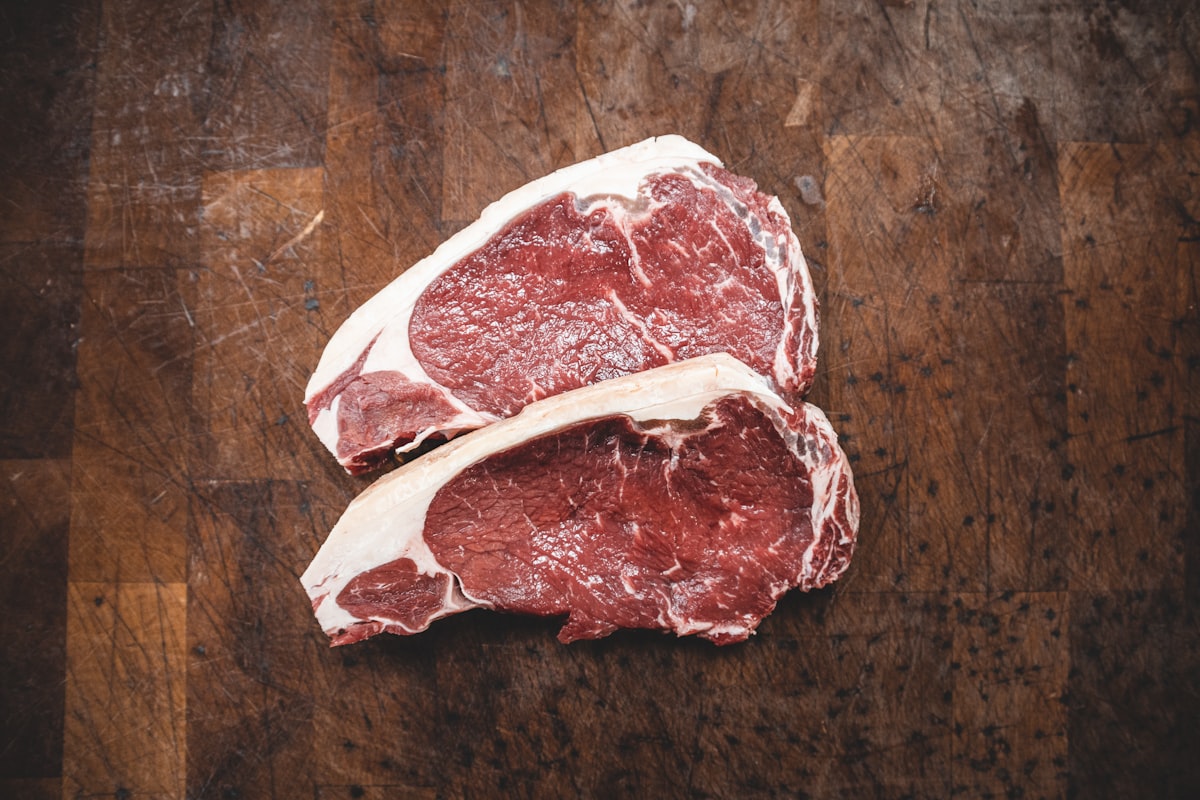
Population around 27 million with a large cattle industry, export-oriented processing and strong pasture and grain-fed systems.
China is a structural imported beef market, while Australia is strongest in the premium chilled and trusted-origin segment.
Australia does not win China by volume alone - it wins by trust, cold chain and premium positioning
Executive Summary
Australian beef in China is not mainly a story of being the largest supplier. Brazil and the Mercosur countries dominate China's imported beef volume. Australia's strongest China position is different and more valuable: it is one of the most trusted premium origins, especially in chilled beef, high-end retail, steakhouses, membership clubs and affluent home cooking.
China imported about 2.87 million tonnes of beef in 2024, another record year by volume. Imported beef has become a structural part of Chinese protein supply because domestic cattle production cannot fully meet demand at the quality, price and consistency required by modern retail and foodservice. Yet the market is split into layers. Much of the volume is frozen commodity beef used by processors, catering channels and value retailers. The premium layer - chilled boneless beef, grain-fed steak cuts, branded retail packs, traceable cuts and trusted-origin products - is where Australia has built its strongest reputation.
World Bank WITS / UN Comtrade data for HS 020130 shows China imported about US$791 million of fresh or chilled boneless bovine meat in 2024. Australia supplied about US$410 million of that category, making it the leading source for China's chilled boneless beef imports by value and volume. That single detail explains Australia's strategic position better than total beef tonnage. Australia is not trying to be the cheapest beef in China. It is trying to be the safe, consistent, premium beef that Chinese consumers, retailers and chefs can trust.
This position was built through several forces. Australia has a clean-origin image, mature export processing, food safety systems, traceability, strong cattle genetics, pasture and grain-fed production, and long experience supplying high-income Asian markets. Chinese consumers associate Australian beef with quality, health, safe production, grasslands, premium steak and Western food culture. Membership clubs such as Sam's Club and Costco, new retail supermarkets such as Hema, premium supermarkets such as Ole, JD's cold-chain e-commerce, Douyin cooking content and steakhouse chains have all helped move beef from restaurant occasion to household purchase.
The opportunity remains large but more complex than before. China's beef market is under pressure from weak cattle prices, domestic oversupply cycles, slower consumer spending and regulatory scrutiny. China launched a safeguard investigation into bovine meat imports in December 2024, and by 2026 it imposed additional tariff measures on above-quota imports from major suppliers including Australia, Brazil and the United States. This means foreign meat brands can no longer assume unrestricted volume growth. They need a sharper strategy: defend the premium tier, build consumer-facing brand equity, control cold chain, manage compliance, diversify channels and avoid being dragged into commodity price wars.
For any foreign meat brand, the Australian beef case is the practical playbook. China rewards imported protein when it solves three problems at once: trust, convenience and status. The product must be safe and traceable, easy to buy through modern channels, and meaningful enough for consumers to pay a premium. Australian beef has shown how that works. The next winners will be the brands that go beyond origin labels and build a full China operating model from processing plant to retail pack to dinner table.
1. Market Size: China Is a Structural Beef Import Market
Beef imports are no longer niche
China's 2024 beef imports reached about 2.87 million tonnes. That volume is enormous in global trade terms. It means imported beef is not a luxury side category; it is part of China's mainstream protein system. Beef imports help fill the gap between domestic production and demand from retail, foodservice, processing and household cooking.
The important point is not only the size. It is the structure. China's domestic cattle industry faces land constraints, feed costs, fragmented farms, long production cycles and uneven grading. Pork remains the dominant meat in Chinese cuisine, but beef consumption has risen with income, urbanization, restaurant culture and health awareness. Domestic supply cannot easily expand fast enough or consistently enough to satisfy all segments.
This creates an import dependency. China can produce beef, but imported beef supplies volume, variety, price segmentation and premium origin stories that domestic production cannot fully replace. That is why Brazil, Argentina, Uruguay, Australia, New Zealand and the United States all matter to the market.
Volume and value tell different stories
China's imported beef market must be read in two layers: volume and value. Brazil and the Mercosur suppliers dominate much of the volume, especially frozen beef. A World Beef Report summary noted that Argentina, Brazil and Uruguay accounted for more than three quarters of China's 2024 imported beef volume. Brazil alone exported more than one million tonnes of beef to China in 2024, according to Brazilian government statements around China's safeguard investigation.
Australia is more prominent in value and premium categories. In China's 2024 imports of fresh or chilled boneless bovine meat, Australia supplied about US$410 million out of a global import value of about US$791 million. The United States was second at about US$314 million. This is a high-value subcategory because chilled beef is harder to ship, more sensitive to cold-chain performance and more relevant to premium retail and foodservice.
For an Australian beef brand, this distinction is central. Winning China does not mean trying to out-volume Brazil. It means defending the segments where Chinese buyers pay for consistency, origin trust, chilled quality, steak cuts, branding and reliable supply.
China demand is large, but not unlimited
It is tempting to describe China's beef market as endlessly growing. That is not accurate. Demand is large, but it responds to price, income, restaurant traffic, household confidence and competition from other proteins. In periods of slower consumer spending, expensive steak cuts can soften. When domestic cattle prices fall, imported beef may face political and commercial pressure. When too much frozen beef arrives, wholesale prices can decline and importer margins can compress.
This is why China opened a safeguard investigation into bovine meat imports in December 2024. The investigation covered all countries exporting beef to China and examined whether rising imports harmed the domestic cattle industry. The policy signal is clear: China wants imported beef, but it also wants to protect domestic producers from severe price pressure. Exporters should treat this as a long-term strategic condition, not a temporary headline.
For premium brands, the response is not panic. It is differentiation. If a product is easily replaceable commodity beef, policy and price cycles matter more. If a product is a trusted chilled premium brand with clear channel demand, it has more room to defend value.
2. Why Australian Beef Sells in China
Origin trust is the first advantage
Chinese consumers place high value on food safety and origin credibility. Australian beef benefits from a country image built around clean land, open pasture, strict production standards and advanced food safety systems. This image is commercially powerful because beef is a high-involvement food. Consumers want to know where it came from, how it was raised, whether it is safe, and whether it will cook well.
Australia's "clean and safe" story is easy to understand. It does not require complex explanation. For a Chinese shopper standing in Sam's Club or browsing JD Fresh, "Australian beef" already suggests trust. That is not enough to build a brand by itself, but it creates a strong starting point.
The trust premium is even stronger in premium cuts. A consumer buying ribeye, striploin, tenderloin or wagyu-style cuts is not only buying protein. They are buying a meal outcome. If the steak fails, the consumer may blame the origin or retailer. Australia has built enough consistency that retailers can confidently use it as a premium anchor.
Beef fits the protein upgrade trend
Chinese consumers have been moving up the protein ladder. Pork remains culturally dominant, but beef carries a different meaning: higher protein, fitness, Western dining, premium home cooking, strength and lifestyle upgrade. Younger consumers who watch gym content, steak tutorials and restaurant reviews see beef as part of a modern diet.
This is not only a health story. It is an identity story. Cooking steak at home, ordering Australian beef hotpot slices, buying imported ground beef for burgers, or serving beef at a family dinner signals a different consumption level from basic pork dishes. For middle-class households, imported beef offers a small but visible upgrade.
The demand is also practical. Beef works in multiple Chinese and Western formats: hotpot slices, stir-fry strips, braised brisket, steak, barbecue, burgers, noodles, rice bowls, premium gifting packs and ready-to-cook meal kits. This versatility gives beef more routes into consumption than a narrowly Western product.
Steakhouse culture educated the market
China's steakhouse category helped teach consumers how to value beef. In the 1990s and early 2000s, steak was still unfamiliar to many Chinese diners. Sizzling plate restaurants, hotel steakhouses, Taiwanese-style Western restaurants and later international premium steakhouses introduced the idea that beef could be an occasion food.
The category now ranges from value steak chains to luxury steakhouses. At the lower end, restaurants made steak accessible for birthdays, dates and casual family meals. At the top end, premium restaurants in Shanghai, Beijing, Shenzhen and Guangzhou use imported grain-fed beef and wagyu-style cuts to define luxury dining.
This foodservice education matters for retail. Consumers who first tried steak in a restaurant later bought beef to cook at home. Restaurants created familiarity, while e-commerce and membership clubs created access. That is how an occasion food becomes a household category.
Home cooking expanded the addressable market
The biggest recent shift is home cooking. Sam's Club, Costco China, Hema, JD Fresh, Tmall and Douyin have made imported beef easier to buy and easier to understand. Consumers can purchase chilled or frozen steak packs, watch a short video on how to cook them, and receive the product through cold-chain delivery.
This changes the size of the market. Restaurant consumption is limited by dining occasions. Home cooking can become weekly or monthly. A family may buy beef for weekend steak night, hotpot, children's nutrition, meal prep or festive gatherings. Once beef enters the home freezer, it becomes part of routine planning.
Australian beef is well positioned for this because it offers recognizable origin trust and many usable formats. Not every household wants expensive steak. Some want sliced beef for hotpot, mince for burgers, brisket for braising or portioned cuts for air fryer cooking. A strong brand should design SKUs around these use cases rather than only selling restaurant-style cuts.
Cold-chain development made premium beef possible
Chilled beef depends on cold chain. Frozen beef can tolerate longer storage and wider logistics conditions, but chilled beef requires controlled temperature from processing plant to port, shipping, customs clearance, bonded warehousing, domestic distribution and retail display. Any break in the chain reduces shelf life, texture and trust.
China's cold-chain infrastructure has improved dramatically. Premium supermarkets, membership clubs and e-commerce platforms now have the ability to receive, store and deliver chilled meat at scale. This made it possible for Australian chilled beef to reach more consumers and not only high-end restaurants.
For premium beef, cold chain is not an operational detail. It is the product promise. A brand that claims "premium chilled Australian beef" must be able to prove it through packaging, temperature control, shelf-life management and retailer discipline.
3. Channel Deep Dive
Membership clubs: the strongest consumer trust channel
Sam's Club and Costco China are among the most important channels for premium imported beef. Their shoppers are affluent, family-oriented and willing to buy in larger pack sizes. They trust the retailer's sourcing standards and are open to imported proteins. Beef is also a natural club category because bulk packs, family packs and high-value cuts fit the membership model.
For Australian beef, clubs perform several functions. They sell volume. They create trial. They normalize home cooking. They give consumers a trusted place to compare origin, cut and price. A successful club listing can build brand awareness faster than scattered supermarket placement.
But clubs are demanding. They require stable supply, strict specifications, attractive pricing, strong packaging, clear labels, sell-through support and low complaint rates. A brand entering this channel must be ready operationally. If the product is inconsistent, the retailer will not protect the supplier for long.
Premium supermarkets and new retail
Hema, Ole, CitySuper, BLT, high-end Yonghui formats and regional premium supermarkets serve urban consumers who want quality and convenience. These stores are ideal for chilled steaks, portioned packs, hotpot beef, marinated products and ready-to-cook meal solutions.
The supermarket meat shelf is an education surface. Labels should clearly show origin, cut, feeding system, storage method, cooking method and use occasion. Many Chinese consumers still need help understanding ribeye, sirloin, striploin, chuck roll, brisket, shank and short ribs. A product that explains itself has an advantage.
New retail channels also connect online and offline. A shopper may see beef in store, reorder through an app, and receive it at home. This makes packaging and digital product pages part of the same conversion system.
JD, Tmall and Douyin
JD is especially important for meat because of logistics and consumer trust. Its cold-chain reputation supports higher-value beef purchases. Tmall is important for brand flagship stores, campaign traffic and broader category search. Douyin drives discovery through cooking videos, butcher demonstrations, steak tutorials, fitness content and livestream promotions.
Each platform has a different role. JD can support trust and repeat purchase. Tmall can support brand presence and seasonal campaigns. Douyin can create demand among consumers who were not actively searching for beef. A serious brand should not copy the same content across all three. JD needs authenticity and delivery assurance. Tmall needs brand story and conversion assets. Douyin needs visual proof and simple cooking demonstrations.
Livestream can sell beef, but discounting must be controlled. Beef is vulnerable to price erosion when sellers use large promotional bundles without explaining grade or cut. A premium Australian brand should use livestream to teach: what cut this is, how to cook it, why origin matters, how chilled differs from frozen, and how to store it safely.
Foodservice and steakhouse chains
Foodservice remains a major channel for imported beef. Steakhouses, hotels, western restaurants, hotpot chains, barbecue restaurants, burger chains and catering groups all need consistent cuts. Some buy branded premium beef; others buy by specification through distributors.
For suppliers, foodservice can provide stable volume and credibility. A restaurant group using Australian beef can introduce the origin to thousands of diners. A premium steakhouse listing can support the brand story. But foodservice margins and requirements differ from retail. Chefs care about yield, trim, consistency, portion control, marbling, wet-aging performance and cooking loss.
Winning foodservice usually requires local technical selling. The supplier must help chefs understand cuts, aging, cooking methods and menu economics. A retail product page cannot replace this work.
Hotpot, barbecue and Chinese cuisine formats
One mistake foreign beef brands make is assuming China means steak. Steak is important, but Chinese cuisine formats may be larger. Hotpot uses thin-sliced beef. Barbecue restaurants use short plate, ribs and marinated cuts. Cantonese kitchens use brisket and tendon. Northwestern and Muslim cuisines use beef in noodles and skewers. Home cooks use beef cubes, mince and strips.
Australia's premium positioning can extend into these formats if the SKU design is right. Not every cut should be sold as steak. A whole-carcass value strategy should identify which cuts fit Chinese cooking. This improves margin and reduces dependence on a narrow set of premium cuts.
4. Product Architecture and Branding
Country origin is not a complete brand
"Australian beef" is a strong signal, but it is not a complete consumer brand. Many products can claim Australian origin. If consumers cannot distinguish one exporter from another, retailers and platforms will capture most of the margin.
A strong beef brand needs a name, Chinese naming, consistent pack design, clear cut system, traceability, cooking education, quality promise and after-sales handling. It should explain whether the product is grass-fed, grain-fed, wagyu, Angus, organic, hormone-free where legally supportable, chilled, frozen, portioned or ready-to-cook.
The brand should also avoid vague claims. Chinese consumers are skeptical of generic "natural" and "premium" language. Specific claims are better: feeding days if verifiable, marbling score if applicable, processing establishment, storage temperature, cut name, cooking method, and traceability QR code.
Build a cut ladder
Beef is complex because cuts differ greatly in use and price. A China-ready brand should build a cut ladder that consumers can understand. For example:
- Premium steak cuts: ribeye, striploin, tenderloin and tomahawk for gifting, dates and high-end home cooking.
- Family steak cuts: sirloin, rump and chuck eye for affordable home steak meals.
- Chinese cooking cuts: brisket, shank, short rib and tendon for braising, noodles and hotpot.
- Convenience cuts: sliced beef, cubes, mince, burger patties and marinated packs.
- Foodservice cuts: standardized portions for steakhouses, hotels and chain restaurants.
This ladder allows the brand to serve multiple occasions without confusing the buyer. It also supports whole-carcass economics. Premium branding should not be limited to the best steak cuts; it should help the entire product range move through the right channels.
Packaging must teach and reassure
Meat packaging has to do more than look attractive. It must reassure the buyer about safety and help the buyer cook successfully. A good imported beef pack for China should show origin, cut name in Chinese and English, storage method, weight, production date, shelf life, importer, establishment details, traceability, cooking recommendation and clear visual hierarchy.
Cooking education is especially important. If a consumer overcooks a steak, they may blame the product. Simple instructions such as thawing method, seasoning, pan temperature, resting time and recommended doneness can reduce disappointment. For hotpot and braising cuts, usage suggestions are equally useful.
Premium packaging should not be too Western to understand. Chinese consumers need clarity. A beautiful black label with vague English may look premium but fail conversion if the shopper cannot tell what to do with the cut.
5. Compliance and Market Access
Country and establishment approval
China controls meat imports through country access, veterinary protocols, establishment registration and customs inspection. A foreign beef brand cannot ship casually. The slaughterhouse and processing establishment must be approved for export to China, and the exporter must comply with the relevant health, quarantine and traceability requirements.
Australia has established access, but individual plant approvals matter. China has previously suspended and later reinstated certain Australian meat establishments. In December 2024, the Australian government announced that China had lifted the remaining suspensions on two red meat processing establishments, following earlier lifting of suspensions on eight facilities. This restored broader access, but it also shows that plant-level compliance is a live issue.
For a foreign brand, the first question is not marketing. It is whether the plant, product category and documentation route are approved.
Documentation and inspection
Imported beef requires correct veterinary health certificates, certificates of origin, invoices, packing lists, bills of lading or airway bills, and Chinese customs documentation. Product information must match across documents. Errors in establishment number, product description, weight, storage condition or label details can cause delays.
Meat is high-risk from a regulatory perspective. Customs may inspect documents, packaging, temperature, labeling and product condition. Delays are expensive, especially for chilled beef. A brand should work with an importer that has proven meat clearance experience, not a general trader learning on the shipment.
Labeling and food safety standards
Chinese labels must be compliant before retail sale. Labels generally need product name, country of origin, cut or product type, storage conditions, production date, shelf life, producer or establishment information, importer name and address, and other required details. Requirements can differ for chilled, frozen, prepackaged, retail and foodservice formats.
Labeling is not just regulatory. It is commercial. A clear label improves trust and reduces consumer confusion. A poor label makes even good beef look unreliable.
Cold-chain compliance
Chilled beef requires more discipline than frozen beef. Temperature control must be maintained through the full chain. Importers and retailers should monitor shelf life carefully. Chilled product that spends too long in clearance, warehouse transfer or retail display loses value quickly.
For premium brands, cold-chain records should be part of internal quality control and, where useful, consumer communication. Temperature integrity, lot tracking and fast recall capability are all part of brand protection.
6. Competitive Landscape
Brazil: the volume leader
Brazil is the largest supplier of beef to China by volume. Its advantage is scale, price competitiveness and established trade relationships. Brazilian beef supplies many frozen and value-oriented segments. It is essential to China's import system, but it is not positioned the same way as premium Australian chilled beef.
Australian suppliers should not try to compete with Brazil on every cut or every price point. Instead, they should defend the segments where Chinese buyers value origin trust, chilled quality and premium consistency.
Argentina and Uruguay: grass-fed and value-premium
Argentina and Uruguay have strong beef reputations and supply China with grass-fed products. Uruguay in particular can tell a traceability and pasture story. These origins can compete with Australia in some premium and value-premium segments, especially where consumers respond to South American beef culture.
Their challenge is consumer recognition. Australia is more widely understood by Chinese retail consumers. But South American suppliers are improving, and their volume base is large enough to matter.
United States: grain-fed premium competitor
US beef competes strongly in grain-fed premium segments when access and trade conditions are stable. American beef has strong marbling, steakhouse credibility and a clear corn-fed flavor profile. It can compete directly with Australian grain-fed beef and premium steak cuts.
The US challenge is policy and price volatility. Trade relations can affect confidence. But for high-end steakhouses and affluent consumers, US beef remains a serious competitor.
New Zealand: smaller but trusted
New Zealand has a clean origin image similar to Australia, with strong grass-fed positioning. It is smaller in scale but respected. It can compete in premium supermarkets, health-oriented segments and certain chilled or frozen products.
Domestic Chinese beef
Domestic Chinese beef is improving, and regions such as Inner Mongolia, Ningxia, Xinjiang and Gansu have their own cattle and beef stories. Domestic beef has advantages in freshness, local cuisine fit and policy support. However, imported premium beef still carries stronger international status and, in many cases, more consistent retail grading.
The domestic market matters because it sets price and policy pressure. If domestic cattle producers face losses, import scrutiny can rise. Foreign brands must watch domestic cycles, not only import demand.
7. Risks and Pressure Points
Safeguard and tariff risk
China's bovine meat safeguard investigation and later tariff measures show that policy risk is real. Exporters should plan for quota, tariff or inspection changes. The risk is especially important for suppliers depending on large commodity volumes.
Premium brands can reduce exposure by building product differentiation, channel loyalty and consumer demand that cannot be replaced solely by cheaper imports. But they cannot ignore policy. Contracts, pricing and supply planning should include regulatory scenarios.
Price compression
When import volumes rise faster than demand, wholesale prices can fall. This hurts commodity suppliers first, but it can also affect premium segments if retailers use lower prices to pressure all suppliers. Brands need clear price architecture and channel discipline. If premium chilled beef is constantly discounted, consumers may stop believing the premium story.
Cold-chain failure
One cold-chain failure can damage a brand. Meat safety is sensitive, and consumers are unforgiving. A spoiled pack, poor thawing experience or confusing shelf-life issue can spread through reviews quickly. Suppliers need strong importer and retailer controls, not only good production.
Cut mismatch
Foreign exporters sometimes push cuts that are familiar in their home market but not ideal for Chinese use. China values steak, but it also values hotpot, braising, stir-fry and barbecue. A poor cut-channel match leads to slow sell-through and discounting. The brand must localize its cut strategy.
Overreliance on origin image
Australia's country image is strong, but it is shared by many suppliers. If a brand does not build its own identity, it remains vulnerable to retailer private labels and price substitution. Origin opens the door; brand keeps margin.
8. Entry Playbook for Foreign Beef Brands
Step 1: confirm market access and plant approval
Before building a China campaign, confirm that the product category, country, slaughterhouse and processing establishment are approved for China. Verify documentation requirements with the importer and customs broker. For meat, compliance failure is too costly to fix after shipment.
Step 2: define the segment
Decide whether the product is chilled premium, frozen value, foodservice specification, membership retail, e-commerce home cooking, hotpot, steakhouse, or processed meat ingredient. Each segment has different cuts, packaging, price points and compliance details.
Step 3: build landed-cost realism
Model CIF cost, tariff, VAT, customs costs, inspection, cold-chain storage, domestic freight, platform fees, retailer margin, promotional support, wastage and after-sales. Many brands underestimate China cost layers and then price too high or sacrifice margin.
Step 4: choose an importer with meat capability
The importer should have meat clearance experience, bonded cold storage, channel relationships, quality inspection procedures, claims management and pricing discipline. A general food importer without chilled meat systems is a risk.
Step 5: localize packaging and SKU design
Create Chinese-friendly packs by cut and occasion. Do not only export bulk cartons and expect the channel to solve retail conversion. For consumer packs, include cooking instructions, origin story and traceability. For foodservice, provide specification sheets and chef support.
Step 6: launch through a controlled channel mix
Start with one or two channels that match the product. For premium chilled beef, JD Fresh plus selected premium supermarkets may work. For family packs, membership clubs may be the target. For restaurant cuts, foodservice distributors and chef tastings matter more. Avoid scattering inventory across too many resellers in the first phase.
Step 7: use content to reduce cooking anxiety
Many Chinese consumers want to cook steak but lack confidence. Short videos, recipe cards, livestream demonstrations and KOL partnerships can increase purchase and repeat. Content should be practical: thawing, seasoning, pan heat, cooking time, resting and slicing. For Chinese cuts, show hotpot, braising and stir-fry use cases.
Step 8: measure sell-through and complaints
Track reorder rates, cut performance, channel margins, cold-chain claims, city-level demand, review keywords and after-sales reasons. If consumers complain about toughness, packaging, odor, thawing or cooking failure, treat it as product intelligence. China gives fast feedback; use it.
9. What Other Foreign Meat Brands Can Learn
Australian beef shows that China's premium food market rewards trust before novelty. The product does not need to be exotic. It needs to be safe, understandable and connected to a clear lifestyle or use occasion. Australia built a strong position because Chinese consumers could understand the origin story and modern channels could deliver the product reliably.
The case also shows the limit of country branding. "Australian" gets attention, but a supplier still needs cut education, packaging, cold chain, channel strategy and compliance. Without those, the product becomes another import in a crowded freezer.
For foreign brands in pork, lamb, poultry, seafood or dairy, the lesson is similar. Build the trust layer first. Then build use occasions. Then build channel-specific SKUs. Finally, protect margin with brand identity and data. China is not one market; it is a set of channels and occasions that must be served deliberately.
10. Regional Market Strategy Inside China
First-tier cities are proof markets, not the whole market
Shanghai, Beijing, Shenzhen and Guangzhou are the natural launch markets for premium Australian beef because they concentrate high-income households, international restaurants, premium supermarkets, membership clubs and strong cold-chain infrastructure. They are also media markets. A product that performs well in these cities can generate social proof for the rest of the country.
But first-tier cities are expensive. Competition is intense, retailer demands are strict and consumers have many choices. A foreign beef brand should use these cities to prove positioning, refine packaging, collect reviews, build chef relationships and test content. It should not assume that winning Shanghai automatically means national profitability.
Tier-two cities are where routine consumption scales
Cities such as Chengdu, Hangzhou, Nanjing, Suzhou, Wuhan, Qingdao, Xiamen and Xi'an can be more attractive for repeat growth. Consumers have rising incomes, strong dining cultures and less saturated premium retail competition. Chengdu and Chongqing are especially important for hotpot and barbecue use cases; Hangzhou and Suzhou are strong for affluent family consumption; Qingdao and Xiamen can support seafood-and-steak premium dining formats.
The SKU mix should change by city. A Shanghai launch may emphasize chilled ribeye, striploin and tenderloin. A Chengdu plan may include hotpot slices, short ribs and marinated barbecue cuts. A Hangzhou or Nanjing plan may emphasize family packs and JD delivery. Regional localization turns one origin story into several consumption stories.
Lower-tier cities need trust and convenience first
Lower-tier cities are not low-quality markets, but they are more price-sensitive and often have less mature cold-chain retail. Consumers may be interested in imported beef but unsure how to buy or cook it. For these markets, e-commerce, Douyin education and frozen or portioned packs may be better than expensive chilled steak.
The right strategy is to reduce risk: smaller packs, clear cooking instructions, platform guarantees and familiar Chinese recipes. If a consumer in a lower-tier city succeeds with Australian beef in hotpot or braised noodles, they may later trade up to steak. The path to premium often starts with a practical meal, not a luxury claim.
Data Notes and Source Context
The 2024 China beef import volume of about 2.87 million tonnes is reported by trade coverage including Farmers Journal and referenced in China's 2024-2025 bovine meat safeguard discussions. World Bank WITS / UN Comtrade data for HS 020130 shows China imported about US$791 million of fresh or chilled boneless bovine meat in 2024, with Australia supplying about US$410 million. Australian government statements in December 2024 noted the lifting of remaining Chinese suspensions on Australian red meat establishments and described China as Australia's second-largest beef and veal market after the United States, with exports topping A$2.2 billion in 2023-24. Brazilian government statements around China's safeguard investigation reported more than one million tonnes of Brazilian beef exports to China in 2024.
Conclusion
Australian beef won an important position in China because it solved the premium buyer's main problems: safety, consistency, origin trust and cooking confidence. It did not need to be the largest volume supplier to become one of the most valuable premium references. In chilled beef, membership retail, e-commerce, steakhouses and affluent home cooking, Australia has a role that commodity suppliers cannot easily copy.
The market is still attractive, but it is no longer simple. China imports huge volumes of beef, yet it is watching domestic producer pressure, import growth and price cycles carefully. Competition from Brazil, Argentina, Uruguay, the United States, New Zealand and domestic beef will remain intense. Price pressure will continue in commodity segments.
The opportunity for Australian and other foreign beef brands is therefore clear: do not fight the whole market. Own a specific consumer problem and solve it better than anyone else. For premium beef, that problem is trust plus usability. Consumers want to know the beef is safe, genuine, well handled, easy to cook and worth the price. Brands that deliver that experience from plant approval to cold chain to packaging to dinner table will keep winning in China even as the volume market becomes more crowded.