Norwegian Salmon
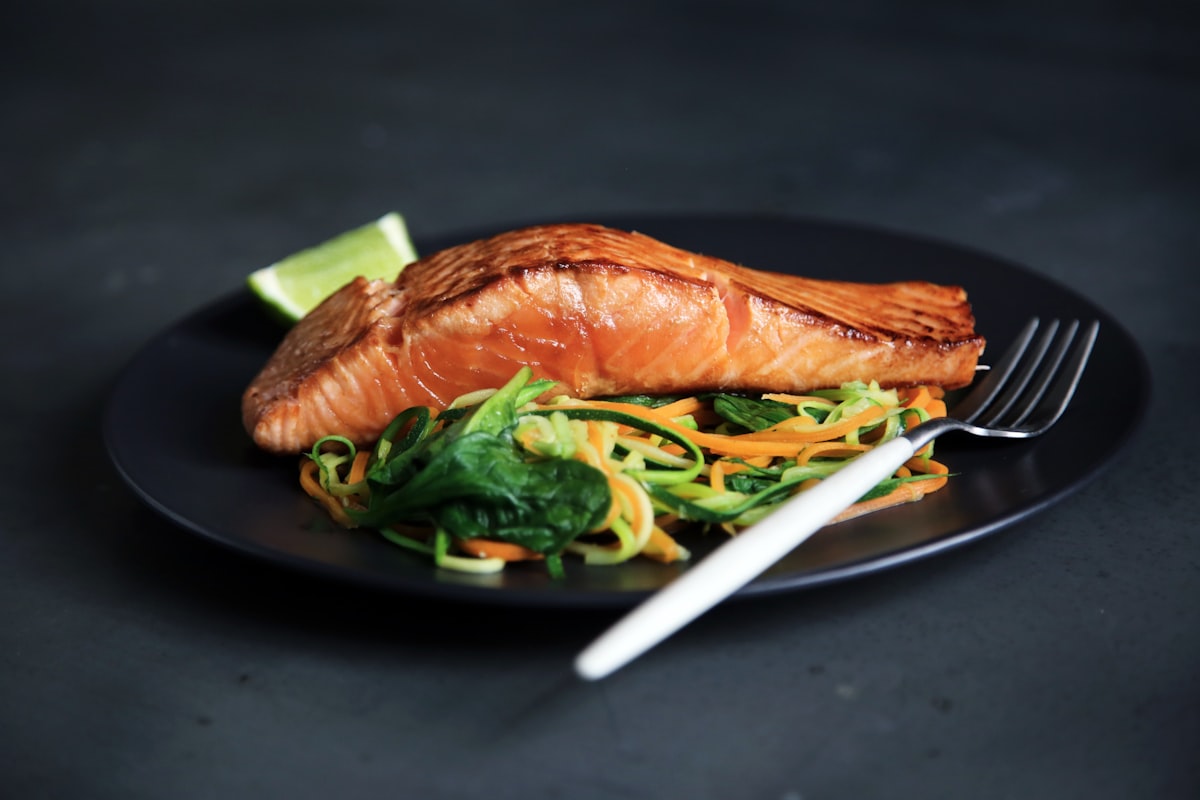
Ice-fresh salmon, 48 hours from fjord to table
Population around 5.5 million. Salmon farming was built over decades as a sophisticated export industry.
China has become a major growth engine for Norwegian seafood, driven by salmon, e-commerce, better distribution and lower prices.
Norway turned cold-water farming into a premium protein habit for Chinese cities
Executive Summary
Norwegian salmon in China is a case study in how a foreign food product can move from restaurant luxury to household habit when three forces align: trusted origin, cold-chain infrastructure and a consumer shift toward healthier premium protein. Salmon was once a niche product in China, mostly eaten as sashimi in high-end Japanese restaurants in Beijing, Shanghai, Guangzhou and Shenzhen. Today it is sold through sushi chains, premium supermarkets, membership clubs, Hema, JD Fresh, Douyin livestream rooms, meal-prep brands, fitness food services and home delivery platforms.
The numbers show the speed of the change. In 2024, China's imports of fresh Atlantic salmon under HS 030214 reached about US$1.05 billion and about 92,600 tonnes. Norway supplied about US$492.8 million, or roughly 46.9% of China's import value in that category, making it the largest fresh Atlantic salmon origin by value. Norwegian Seafood Council data also shows that China became a major growth market for Norwegian seafood: in 2024, China generated the highest value growth among Norway's seafood export markets, with total Norwegian seafood exports to China reaching NOK9.4 billion. In 2025, the relationship accelerated further. The Norwegian Seafood Council reported that exports to China reached NOK12.3 billion and 178,000 tonnes, moving China from Norway's sixth-largest seafood market in 2024 to its third-largest in 2025.
This does not mean China is already a mature salmon culture. The market is still young compared with Japan, Europe and North America. Per-capita consumption remains low. Many consumers are still learning how to distinguish salmon species, origin, freshness, chilled versus frozen, sashimi-grade use, and cooking methods. That is precisely why the opportunity remains strong. Norway has built the strongest origin image, but there is still room to convert occasional restaurant consumption into repeat household buying.
Norway's strength is not only production volume. It is a complete system: industrial aquaculture, strict food safety, global cold-chain logistics, air freight, government-backed market development, the Norwegian Seafood Council's consumer education, retailer partnerships and an origin story that is easy for Chinese consumers to understand. "Norwegian salmon" means cold water, clean fjords, orange fillets, freshness, health and premium lifestyle.
The market is becoming more competitive. Chile is strong on supply and price. The Faroe Islands compete in high-end foodservice and premium freshness. Australia, Canada and other origins offer diversification. Domestic Chinese land-based and recirculating aquaculture projects are trying to build local supply. At the same time, falling prices have widened consumer access but increased pressure on margins. Norway must defend its premium through traceability, freshness proof, channel control, education and product formats designed for Chinese households.
For foreign food brands, Norwegian salmon offers a practical China market lesson. A premium imported product wins when it can prove origin, travel through a reliable cold chain, fit modern health narratives, create easy cooking occasions, and show up in the channels where urban consumers already shop. Salmon's rise is not just about taste. It is about infrastructure and trust becoming consumer value.
1. Market Size: From Restaurant Niche to Billion-Dollar Import
China's fresh salmon market is now material
China's fresh Atlantic salmon import market crossed the US$1 billion level in 2024. UN Comtrade-based market data for HS 030214 shows China importing about 92,600 tonnes of fresh Atlantic salmon and Danube salmon, with import value of roughly US$1.05 billion for January to December 2024. This is a major category for a product that must move fast, stay cold and command consumer trust.
The import value matters because fresh salmon is not a low-cost staple. It is a premium protein. Consumers buy it for sashimi, sushi, healthy meals, family nutrition, fitness diets, premium retail and restaurant experiences. The market is therefore more sensitive to confidence and presentation than basic seafood categories.
Volume growth also shows that salmon is moving beyond the smallest luxury circle. When a product reaches tens of thousands of tonnes in fresh chilled form, it is no longer limited to a few Japanese restaurants. It has entered national retail and foodservice systems.
Norway leads the origin image
Norway's 2024 share of China's fresh Atlantic salmon import value was about 46.9%. Chile followed with around 18.2%, while other origins such as the Faroe Islands, Australia, Canada and the United Kingdom competed in smaller shares. Norway's lead reflects production scale, air-freight systems, established importer relationships, brand investment and consumer recognition.
In China, origin labels matter. Consumers may not know every salmon species or production method, but many recognize "Norwegian salmon." This gives Norway a brand-like advantage even before individual producers build their own brands. For retailers, Norwegian origin is easy to merchandise. For restaurants, it is easy to explain. For consumers, it signals safe, premium and familiar.
2025 confirmed China as a growth engine
The 2025 data strengthened the case. The Norwegian Seafood Council reported that China imported Norwegian seafood worth NOK12.3 billion and 178,000 tonnes in 2025, up 31% in value compared with 2024. Salmon growth was especially strong, helped by e-commerce, better distribution, lower prices and a shift toward smaller fish sizes in addition to the large salmon previously preferred by Chinese buyers.
This is strategically important. China is no longer only an experimental market for Norway. It is a major growth engine in a global seafood portfolio. When China moved from Norway's sixth-largest seafood market in 2024 to its third-largest in 2025, it showed that demand was broadening across species and channels, with salmon at the center.
Lower prices helped penetration
Salmon price softness can hurt producers, but it can also accelerate consumer adoption. When prices are very high, salmon remains a restaurant or gift product. When prices fall into a more accessible range, households buy smaller portions for dinner, gym meals, rice bowls, children's nutrition or weekend cooking.
This is exactly what happened in China. More affordable salmon increased trial among consumers who had previously seen it as too expensive. The challenge for Norway is to widen penetration without losing premium perception. Falling prices should support habit formation, not push the product into commodity discounting.
2. Why Salmon Sells in China
The health and clean-protein story
Salmon fits China's modern health narrative almost perfectly. It is high in protein, associated with omega-3 fatty acids, visually clean, relatively easy to cook and lighter than many traditional meat dishes. For young urban consumers, it aligns with fitness, weight management, children's nutrition and "light eating."
This matters because China's premium food market is no longer only about status. It is also about self-care. A consumer can justify salmon as both indulgence and health. This dual positioning gives it more staying power than a purely luxury product.
The visual aspect also matters. Salmon's orange color looks attractive in photos, meal-prep boxes, rice bowls and sashimi plates. On Xiaohongshu, Douyin and WeChat, food that photographs well has a natural advantage. Salmon looks premium before a single word is read.
Japanese cuisine trained the consumer
Japanese restaurants introduced many Chinese consumers to salmon. Sushi, sashimi, omakase, izakaya dining and buffet formats made salmon familiar. It became the entry-level raw fish for many diners because it is mild, soft, colorful and easier to accept than stronger-flavored species.
This restaurant training created a bridge to retail. A consumer who first ate salmon sashimi in a restaurant later bought salmon fillets in Hema or JD Fresh. The restaurant taught the taste and format; retail supplied convenience.
Japanese cuisine also gave salmon a premium ritual. Thin slices, soy sauce, wasabi, chilled presentation and chef handling all reinforced freshness and quality. Even when consumers later pan-sear or air-fry salmon at home, the product still carries some of that premium restaurant meaning.
Home cooking made the category scalable
Restaurant demand can create awareness, but home cooking creates scale. Chinese households now buy salmon for air-fryer meals, pan-seared fillets, rice bowls, children's dinners, salads, pasta, congee toppings and meal-prep boxes. This shift is essential because it turns salmon from an occasional restaurant item into a repeat retail product.
Home cooking also changes SKU needs. Whole fish and large fillets are less convenient for small households. Younger consumers want portioned fillets, skin-on steaks, ready-to-cook marinated packs, sashimi boxes, frozen portions and smaller packs for one or two people. Norway's 2025 growth was partly linked to Chinese buyers accepting smaller fish sizes, which supports broader retail formats.
Brands that understand household use will outperform brands that sell only foodservice formats. A beautiful whole salmon is not always the best product for a 28-year-old Shanghai consumer living alone.
Fitness and meal-prep culture
Fitness culture gave salmon a second demand engine. Gyms, personal trainers, marathon runners, bodybuilders, yoga consumers and weight-management communities often recommend high-protein meals. Salmon appears in meal-prep boxes, light-food restaurants and diet plans because it combines protein with a premium health image.
This segment is not the largest by volume, but it influences wider consumer perception. When fitness influencers and health-food brands use salmon, they reinforce the idea that salmon is a smart modern protein. That makes mainstream households more comfortable buying it for children, parents and everyday meals.
Cold chain created national reach
Salmon's China market would not exist at current scale without cold chain. Fresh salmon requires temperature control, rapid customs clearance, refrigerated warehousing, reliable domestic transport and safe retail display. The value of "fresh Norwegian salmon" depends on the chain staying intact from processing plant to consumer.
China's cold-chain buildout expanded the addressable market beyond coastal first-tier cities. Salmon can now reach Chengdu, Wuhan, Xi'an, Hangzhou, Nanjing, Chongqing and lower-tier cities through airports, distribution hubs and cold-chain e-commerce. This turns a Shanghai-and-Beijing market into a national premium protein market.
3. Logistics: The 48-Hour Promise
Freshness is a logistics product
The phrase "48 hours from fjord to table" is powerful because it turns logistics into a consumer promise. Norwegian salmon can be harvested, processed, packed, air-freighted to China and distributed through cold-chain networks quickly enough to be sold as fresh chilled product.
This promise is not simple. It requires coordinated harvest timing, processing capacity, air cargo availability, airport handling, customs documentation, inspection readiness, domestic distribution and retailer shelf management. A delay at any point reduces the value of the product.
For consumers, the promise reduces uncertainty. Fresh seafood carries risk in the buyer's mind. If the brand can show a fast, traceable route from Norway to China, the consumer feels safer paying a premium.
Air freight anchors the fresh segment
Fresh Norwegian salmon depends heavily on air freight. Air transport is expensive, but it preserves the chilled premium. For sashimi, premium retail and high-end foodservice, speed matters more than lowest cost.
Air-freighted salmon also supports story. A product that arrived quickly from Norway feels different from a frozen commodity. Retailers can communicate flight arrival, harvest date, freshness window and origin traceability. These details help justify price.
The risk is cost sensitivity. If air freight costs rise or retail prices fall too far, margins compress. Suppliers need to manage allocation carefully, sending premium fresh fish to channels able to preserve value.
Domestic distribution decides the final experience
The consumer does not experience the flight from Norway. They experience the fillet they receive at home or buy in store. Domestic distribution inside China therefore decides whether the Norwegian promise is kept.
Importers must manage bonded warehouses, cutting rooms, repacking, delivery routes, platform warehouses and retail shelf life. A fish that arrives in China in good condition can still fail if cut poorly, held too long or delivered without enough ice. This is why local partner capability is as important as Norwegian production quality.
Traceability makes freshness credible
Chinese consumers increasingly expect proof. Traceability codes, origin labels, batch data, harvest date, importer information and retailer verification help turn freshness claims into credible information. Traceability should not be decorative. It should answer useful questions: Where did the fish come from? When was it processed? Who imported it? How should it be stored? Is it suitable for raw consumption or cooking only?
For salmon, traceability is both compliance and marketing. It reassures regulators, retailers and consumers at the same time.
4. Channel Deep Dive
Japanese restaurants and sushi chains
Foodservice remains the historical base. Sushi chains, Japanese restaurants, buffets, hotels, omakase counters and premium seafood restaurants buy salmon in significant volume. They need consistent color, fat content, texture, size and delivery rhythm.
Foodservice is also an education channel. Many consumers first learn salmon through restaurants. If the restaurant experience is good, retail conversion becomes easier. Norway should continue to treat chefs and restaurant groups as brand educators, not only wholesale buyers.
For exporters, foodservice requires technical selling. Chefs care about trim, yield, slicing performance, fat line, texture and reliability. A producer that can support menu economics and training will have an advantage over a supplier that only quotes price.
Hema, Sam's Club, Costco and premium retail
Premium retail turned salmon into a household item. Hema has been especially important because it combines fresh seafood counters, ready-to-eat products, app delivery and a young urban audience. Norwegian seafood promotion events with Hema and the Norwegian Seafood Council have helped reinforce the origin story.
Sam's Club and Costco are also important because they create trust and volume. Members buy larger packs for family meals and freezer storage. The retailer's own credibility reduces anxiety around imported seafood.
Premium retail is where packaging and education matter. The label should explain origin, storage, cut, use and freshness clearly. A shopper should not need to be a seafood expert to buy confidently.
JD Fresh, Tmall and on-demand grocery
JD Fresh is important for premium chilled and frozen seafood because consumers trust its logistics. Tmall gives brands a flagship presence and campaign reach. Hema, Dingdong, Meituan and other instant-delivery platforms support same-day or 30-minute use occasions.
Online buying requires extra trust signals. Consumers cannot smell or touch the fish. Product pages must show origin proof, freshness guarantee, delivery method, pack size, usage instructions and after-sales policy. Reviews and repeat purchase data are critical.
Smaller portion sizes are especially important online. A one-person salmon fillet pack or a family rice-bowl kit can convert more easily than a large whole-fish product.
Douyin and livestream commerce
Livestream selling is growing for seafood because it lets hosts show the product live. For salmon, hosts can display color, fat lines, cutting process, origin documents, packaging, sashimi texture and cooking demonstrations. This reduces the fear of buying fresh seafood online.
But livestream must be handled carefully. Heavy discounts can weaken premium origin value. A Norwegian salmon brand should use Douyin for education and proof, not only flash-sale bundles. The best content answers consumer questions: Is it fresh? Can I eat it raw? How do I store it? What is the difference between Norwegian and Chilean salmon? How do I cook it without making it dry?
Fitness, meal-prep and light-food brands
Meal-prep companies and light-food restaurants are an underappreciated channel. They introduce salmon to consumers who may not shop seafood retail but want healthy meals. This channel can use smaller portions, frozen or chilled fillets, and standardized cuts.
For Norwegian exporters, partnerships with fitness food brands can reinforce the health narrative. The volume may be smaller than retail, but the influence is strong because it connects salmon with modern lifestyle.
5. Compliance and Market Access
GACC registration is the first gate
Seafood exports to China require approval from the General Administration of Customs of China. Exporters, processing plants and relevant facilities need to be registered and correctly listed. The Norwegian Seafood Council notes that species exported from Norway must be approved by GACC, and changes to China's CIFER registration system in 2024 affected how product registration is handled.
For a new exporter, this is the starting point. If the plant, product or species is not correctly registered, marketing cannot solve the problem. Salmon is perishable enough that customs delays can destroy value.
Health certificates and inspection
Shipments require proper health certificates from Norway's competent authority, plus accurate commercial documents, packing lists, airway bills and importer declarations. Chinese customs can inspect for microbiological safety, veterinary drug residues, heavy metals and documentation accuracy.
The freshness promise depends on documentation. A missing certificate or mismatch between label and documents can hold a shipment. For fresh salmon, time lost at the port or airport is commercial loss.
Labeling and raw-consumption claims
Salmon sold in China must be labeled correctly. Claims around raw consumption or sashimi use must be handled carefully and supported by the product's handling, cold chain and retailer controls. Not all salmon products should be positioned for raw eating. Some are better sold for cooking.
Clear labeling protects the consumer and the brand. If a product is intended for pan-searing or baking, say so. If it is sold as sashimi-grade by a retailer, the entire cold chain and handling protocol must match that claim.
Cold-chain documentation
Temperature control is essential. Importers and retailers need records from origin to warehouse and, ideally, to final delivery. During and after the pandemic, China strengthened traceability expectations for cold-chain imported foods. Even as emergency measures changed, the market expectation for traceable cold chain remains.
A brand that can show temperature discipline has a competitive advantage. A brand that cannot will be pushed toward lower-value frozen or commodity channels.
6. Competitive Landscape
Norway: the default premium origin
Norway is the reference origin for Chinese consumers. Its strengths are production scale, consistent farmed Atlantic salmon, air-freight routes, government and industry promotion, broad GACC registration, and consumer recognition. "Norwegian salmon" already functions as a semi-brand in China.
The weakness is price. Norway often sells at a premium. If price gaps widen too much, buyers may switch to Chile, the Faroe Islands, Australia or other origins. Norway must protect its premium by proving freshness and experience, not simply by relying on country name.
Chile: scale and price competition
Chile is the world's second major salmon producer and China's second-largest fresh Atlantic salmon supplier by 2024 value. Chilean salmon often competes on price and volume. It can serve foodservice, processing and retail channels where cost matters.
Chile's challenge is consumer image. It does not have Norway's clean fjord narrative in China, though it has improved. If Chile strengthens branding and freshness, it can challenge Norway in more premium segments.
Faroe Islands: high-end niche
The Faroe Islands occupy a premium niche. Volumes are smaller, but the origin can command strong prices in high-end restaurants, omakase and specialty retail. Its image is cold-water, small-scale and high-quality.
This matters because premium competition does not always come from the largest supplier. A small origin can pressure Norway at the very top of the market by offering scarcity and connoisseur appeal.
Australia, Canada and others
Australia, Canada, the United Kingdom and other origins provide diversification. Some supply fresh product, others frozen or niche categories. Their roles may expand when Chinese buyers want alternative supply or when price spreads shift.
Domestic Chinese salmon projects
China is developing domestic salmon and trout projects, including land-based recirculating aquaculture systems and cold-water farming. These are not yet replacing Norwegian salmon at scale, but they are strategically relevant. Domestic supply can offer freshness, local story and policy support.
Norway should not dismiss domestic competition. Instead, it should continue to defend what domestic projects cannot easily copy: long-standing origin trust, international quality perception, production scale and the Norwegian seafood brand.
7. Risks and Pressure Points
Price compression
Lower salmon prices help consumer adoption, but they pressure producers and importers. If retailers train consumers to expect constant discounts, premium origin value weakens. Norway needs a price ladder: premium fresh for high-value channels, smaller retail portions for household penetration, and frozen or secondary products for value channels.
Freshness failure
A single bad salmon experience can reduce repurchase. Odor, poor texture, wateriness, dull color or delayed delivery can hurt trust. The brand must control cutting, repacking, storage and last-mile delivery. The fish does not stop being Norwegian when it enters China; every local handling step becomes part of the Norwegian experience.
Consumer confusion
Many consumers still confuse salmon species, trout, origin differences, chilled versus frozen, and raw versus cooked use. If labels are unclear, trust erodes. Education is not optional. It is conversion.
Overdependence on one origin story
Norwegian origin is powerful, but generic origin branding can be copied by any Norwegian supplier. Individual brands need their own identity: producer story, sustainability, feeding standards, freshness guarantee, traceability and SKU design. Otherwise retailers can substitute one Norwegian product for another.
8. Entry Playbook for Salmon Brands
Step 1: secure compliance and product registration
Confirm GACC registration, approved species, facility listing, health certificates and CIFER requirements. Do this before negotiating big campaigns. Fresh seafood does not tolerate regulatory surprises.
Step 2: define the use occasion
Decide whether the product is for sashimi, cooking, fitness meals, children's nutrition, premium gifting, restaurant slicing, sushi chains or home delivery. Each occasion requires different pack size, shelf life, cut, labeling and claims.
Step 3: build a cold-chain partner network
Choose importers and distributors with proven chilled seafood capability. Review airport handling, warehouse temperature control, cutting room hygiene, delivery routes and after-sales process. The local chain must protect the origin promise.
Step 4: create Chinese education assets
Prepare short videos, product pages, storage instructions, cooking guides, sashimi safety explanations, origin maps and comparison charts. Explain the difference between fresh and frozen, Norway and Chile, fillet and steak, sashimi and cooking cuts.
Step 5: launch through controlled retail
A good first phase could combine Hema or premium supermarket placement, JD Fresh product pages, selected Japanese restaurant accounts and Douyin educational content. Avoid uncontrolled discount channels before the brand has trust.
Step 6: design smaller household SKUs
China's next growth is not only whole fish and large restaurant fillets. It is smaller packs for one or two people, children's meals, rice bowls, fitness meal prep and ready-to-cook portions. SKU design should follow household behavior.
Step 7: monitor complaints and repeat purchase
Track freshness complaints, delivery issues, color perception, packaging feedback, recipe performance, reorder rates and city-level demand. Salmon quality is visible and review-driven. Use consumer feedback to improve operations.
9. What Other Foreign Food Brands Can Learn
Norwegian salmon shows that China rewards a product when origin, infrastructure and consumer trend align. Health demand alone would not have built the market without cold chain. Cold chain alone would not have built the market without a trusted origin. Origin alone would not have built the market without channels that made salmon easy to buy and cook.
The lesson is transferable. Foreign food brands should ask: What is the trust signal? What infrastructure is required? What modern Chinese use occasion does the product fit? What channel can teach the consumer? What proof reduces risk at purchase?
Norway answered these questions well. It made salmon feel clean, safe, fresh, premium and usable. That is why the product moved from Japanese restaurant plates to Chinese home kitchens.
10. Regional Growth Strategy
First-tier cities build premium authority
Shanghai, Beijing, Shenzhen and Guangzhou remain essential launch markets. They have airports, cold-chain infrastructure, premium retail, Japanese restaurants, affluent consumers and strong social media influence. A Norwegian salmon campaign that wins in these cities creates national proof.
But first-tier cities are competitive and expensive. Brands should use them to build image, test SKUs and recruit high-value customers, not assume they represent all China demand.
Tier-two cities build volume
Chengdu, Hangzhou, Nanjing, Wuhan, Suzhou, Xi'an, Qingdao and Xiamen are important for the next wave. These cities have rising incomes, strong restaurant cultures and improving retail infrastructure. Salmon can enter through Hema, JD, Douyin and Japanese dining formats.
SKU strategy should localize. Chengdu may respond to salmon rice bowls and hotpot-adjacent seafood formats. Hangzhou may prefer premium family packs. Qingdao may be more seafood-literate. Nanjing and Suzhou may respond to children's nutrition and home cooking.
Lower-tier cities need simplicity
In lower-tier cities, salmon should not be introduced only as luxury sashimi. Consumers may need more guidance. Frozen portions, cooked recipes, small packs and platform guarantees can reduce risk. Once consumers learn to cook salmon successfully, they can trade up to fresh Norwegian products.
11. Sustainability, Whole-Fish Economics and Channel Coordination
Sustainability is a premium proof point, but it must be translated
Norwegian salmon producers often communicate sustainability through aquaculture management, feed innovation, fish welfare, low-carbon logistics, certification, sea lice control, antibiotic discipline and responsible farming standards. These topics are important, but they are not automatically persuasive to Chinese consumers unless translated into buyer-relevant language.
For a Chinese shopper, sustainability should answer practical questions: Is the fish safe? Is the farming environment clean? Are antibiotics controlled? Is the origin traceable? Is the brand responsible enough to trust for children and family meals? Detailed ESG reports are useful for retailers and institutional buyers, but consumer communication should connect sustainability to safety, freshness and family confidence.
Premium retailers can use sustainability as a differentiator. A Hema or Sam's Club salmon display can explain clean cold-water farming, traceability and responsible production in simple terms. A Douyin host can show a short map of Norwegian fjords and explain why cold water, controlled farming and fast logistics matter. A product page can link certification or traceability data to the actual batch. The point is not to overload the consumer; it is to make the premium feel earned.
Whole-fish economics decide profitability
Salmon brands often focus on the fillet because that is what consumers see, but profitability depends on whole-fish allocation. Different parts of the fish can serve different Chinese channels. Premium center-cut fillets can go to retail and sashimi. Bellies can serve sushi and high-fat premium uses. Trimmings can go into rice bowls, salads, meal kits or processed products. Heads and bones may have value in soup, hotpot or foodservice formats. Frozen portions can extend shelf life and reduce waste.
This matters because China is a large but price-sensitive market. If a supplier sells only the most desirable cuts and discounts the rest poorly, margins suffer. A strong China plan should map each part of the fish to a channel and use occasion. This is especially important when prices fall. Whole-fish discipline protects profitability better than chasing headline volume.
Chinese cuisine can actually help whole-fish economics. Soup, hotpot, grilling, rice bowls and prepared foods allow more parts to be used than a purely sashimi-focused strategy. Brands should not think only like Japanese restaurants. They should think like Chinese households and foodservice operators.
B2B and B2C should reinforce each other
Norwegian salmon's strongest China strategy connects foodservice and retail. Restaurants teach consumers what good salmon tastes like. Retail lets them buy it again. E-commerce captures convenience. Short video explains how to use it. If these channels operate separately, the brand loses efficiency.
A practical example: a Norwegian producer can work with a Japanese restaurant chain to feature a salmon menu, film the chef explaining the origin, use that content on Douyin, sell a home salmon kit through JD or Hema, and retarget viewers with a recipe pack. The restaurant creates authority; the platform converts; the retail pack creates repeat purchase. This is much stronger than simply shipping fish to a distributor.
The same logic applies to chefs and home cooks. A chef technique can be simplified into home cooking content. A retail review can show which flavors and pack sizes consumers prefer. A livestream complaint about thawing can become a better instruction card. China rewards brands that learn quickly across channels.
Menu engineering can create new salmon occasions
Salmon does not need to remain only sashimi, sushi and pan-seared fillets. China offers many possible usage occasions: salmon rice bowls, children's breakfast portions, low-oil family dinners, air-fryer salmon cubes, salmon hotpot, spicy Sichuan-style salmon, Cantonese steamed salmon, salmon congee, premium seafood noodles and protein bowls for office workers.
Some purists may resist these formats, but market development requires adaptation. The goal is not to force Chinese consumers to eat salmon exactly as Europeans do. The goal is to make Norwegian salmon useful inside Chinese life. Every new cooking occasion expands the market beyond the small group that already buys sashimi.
This also helps SEO and AI citability for content marketing. Pages and videos that answer specific questions - how to cook Norwegian salmon in an air fryer, whether children can eat salmon, how to store chilled salmon, how Norwegian salmon differs from trout - are more useful than generic origin advertising. Search and AI systems reward direct answers to practical questions, and consumers reward them with purchases.
Data Notes and Source Context
The 2024 China fresh Atlantic salmon figures use UN Comtrade-based market data for HS 030214, which reported about US$1.05 billion and 92,600 tonnes of Chinese imports, with Norway at about US$492.8 million and 46.9% of import value. Norwegian Seafood Council reporting stated that Norway exported NOK175.4 billion of seafood globally in 2024, with China showing the highest value growth and reaching NOK9.4 billion. The Norwegian Seafood Council's China market page reported that in 2025 Norwegian seafood exports to China reached NOK12.3 billion and 178,000 tonnes, moving China to Norway's third-largest seafood market. SeafoodSource and Salmon Business reporting described strong Norwegian salmon growth in China, driven by e-commerce, better distribution, lower prices and shifting size preferences.
Conclusion
Norwegian salmon built a premium China market because it made a difficult promise credible: fresh, safe, cold-water salmon moved quickly from Norway to Chinese tables. The product won first in Japanese restaurants, then in premium retail, then in e-commerce and home cooking. Its growth reflects changing Chinese consumers: healthier, more digital, more willing to pay for trusted origin, and more comfortable cooking imported protein at home.
The next stage will be broader but more competitive. Chile will compete on price and volume. The Faroe Islands will challenge at the high end. Domestic projects will claim local freshness. Lower prices will pull in new consumers but test margins. Norway's answer must be disciplined: protect freshness, prove traceability, educate consumers, localize SKUs and turn "Norwegian salmon" from a country label into a repeat household habit.
For any foreign food brand, the lesson is direct. China does not reward imported products just because they are foreign. It rewards products that solve trust, logistics and usage at the same time. Norwegian salmon did exactly that, and that is why a fish from cold northern fjords became one of the most important premium proteins in China's modern food market.